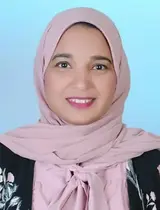
Tandem Project
From Manuscripts to Medical Innovation
Laboratory Study, Archival Research & Interdisciplinary Conference
Vision is one of the most essential human senses, shaping how people experience and interact with the world. Yet eye inflammation and related disorders affect millions of people worldwide, creating a growing medical challenge. While modern medicine has developed numerous therapies, many treatments face limitations: medicines applied to the eye are often rapidly removed by tears and natural protective mechanisms, meaning that only a small fraction of the active substance reaches the target area.
In this Tandem Project, AGYA members Sara Abdel Gaber and Barbara Henning and, in cooperation with AGYA member Franziska Lissel, explore an innovative pathway: combining historical medical knowledge from the Eastern Mediterranean with contemporary advances in nanotechnology and biomedical engineering.
By bringing together the humanities and the natural sciences, the project asks whether traditional medical knowledge can inspire new therapeutic approaches to eye inflammation and help to create solutions for today’s healthcare challenges.
A Look to the Past for Inspiration
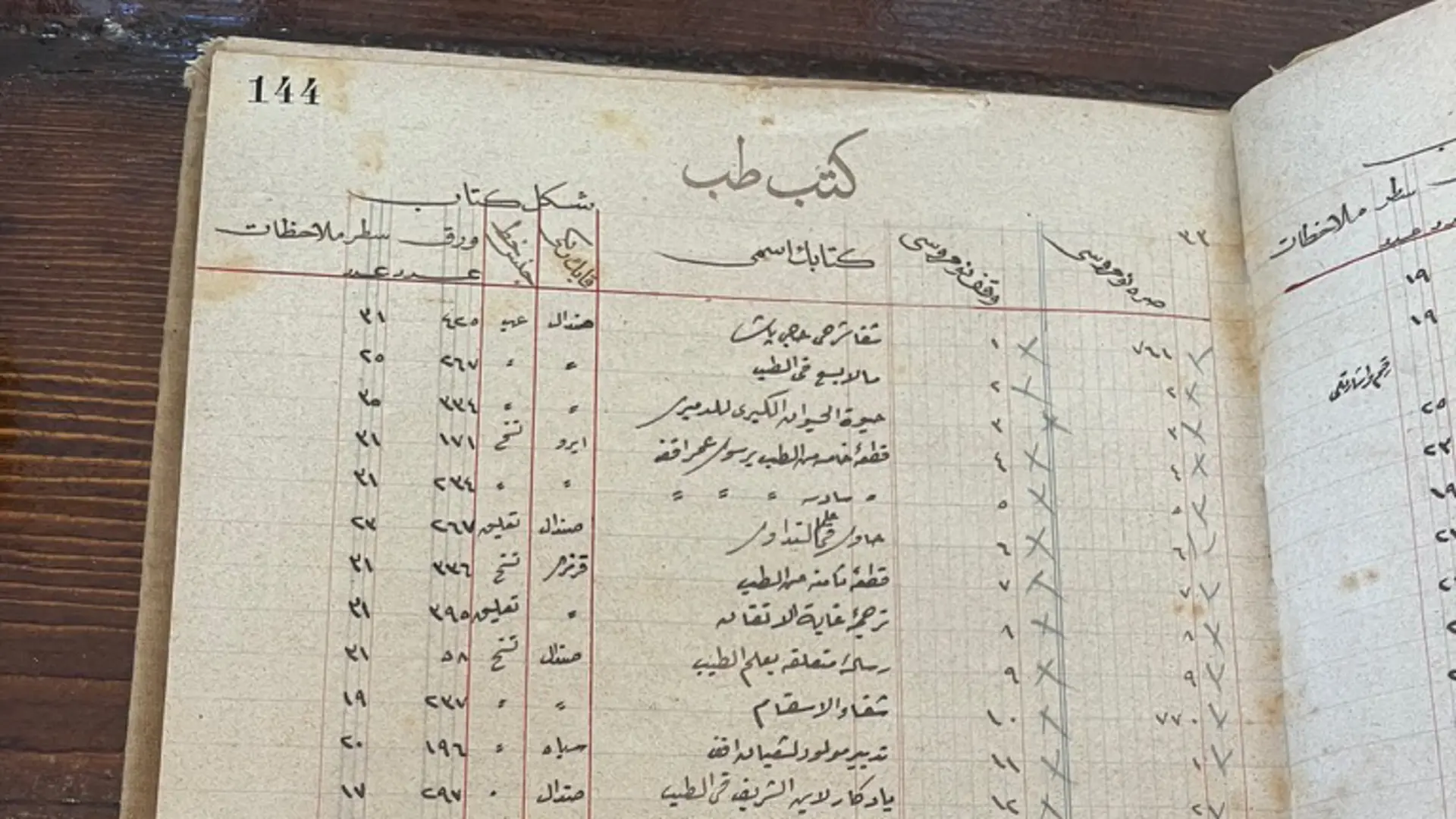
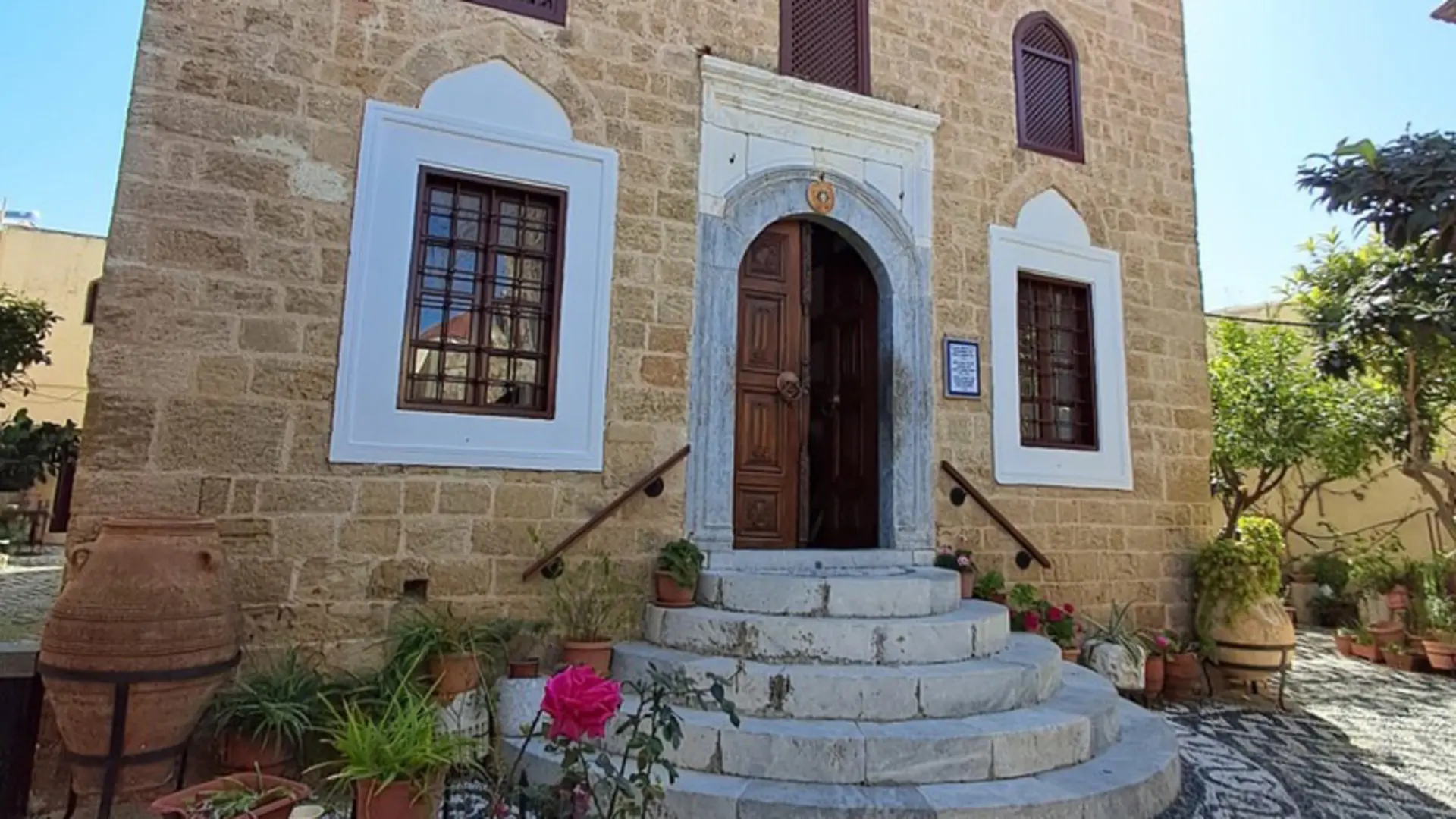
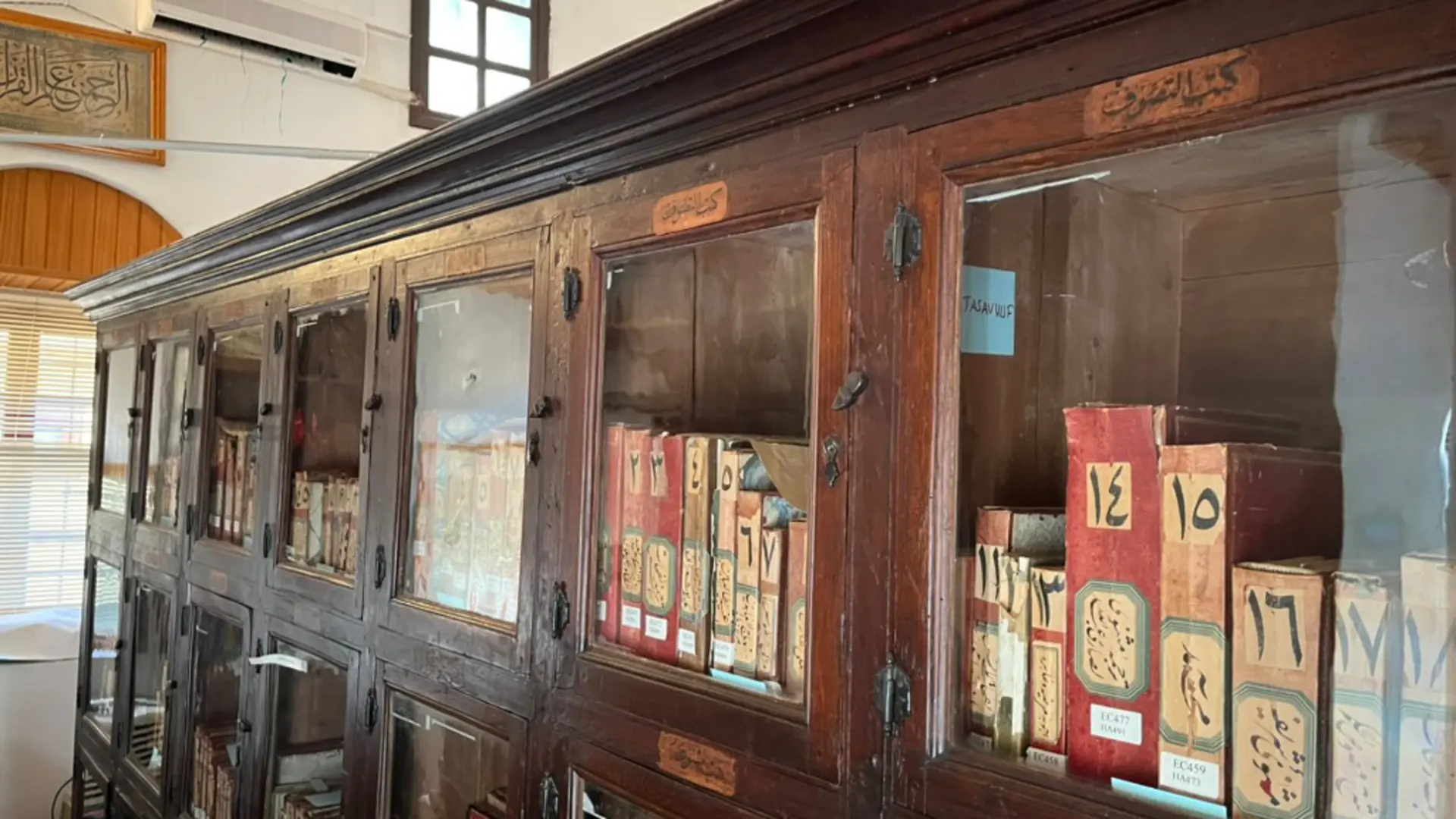
At the heart of the historical investigation lies the remarkable manuscript collection of the Hafiz Ahmed Agha Library in Rhodes, Greece, home to a unique yet largely unexplored body of medical manuscripts in Arabic and Ottoman Turkish. Preserved in their original eighteenth-century setting, these manuscripts document medicinal plants, therapeutic practices, and medical instruments, offering unique insights into centuries of medical knowledge exchange across the Eastern Mediterranean.
Situated between Anatolia, the Arab world, and Europe, Rhodes has long served as a crossroads of cultures and scholarship. Its diverse communities and strategic location enabled the circulation of books, ideas, and medical expertise between Egypt, the Ottoman Empire, and the wider Mediterranean. The manuscripts preserved in the Hafiz Ahmed Agha Library provide a tangible record of these encounters, revealing how medical ideas travelled across borders, and how knowledge was preserved, copied, and transmitted through generations.
Tracing the History of Remedies through Manuscripts
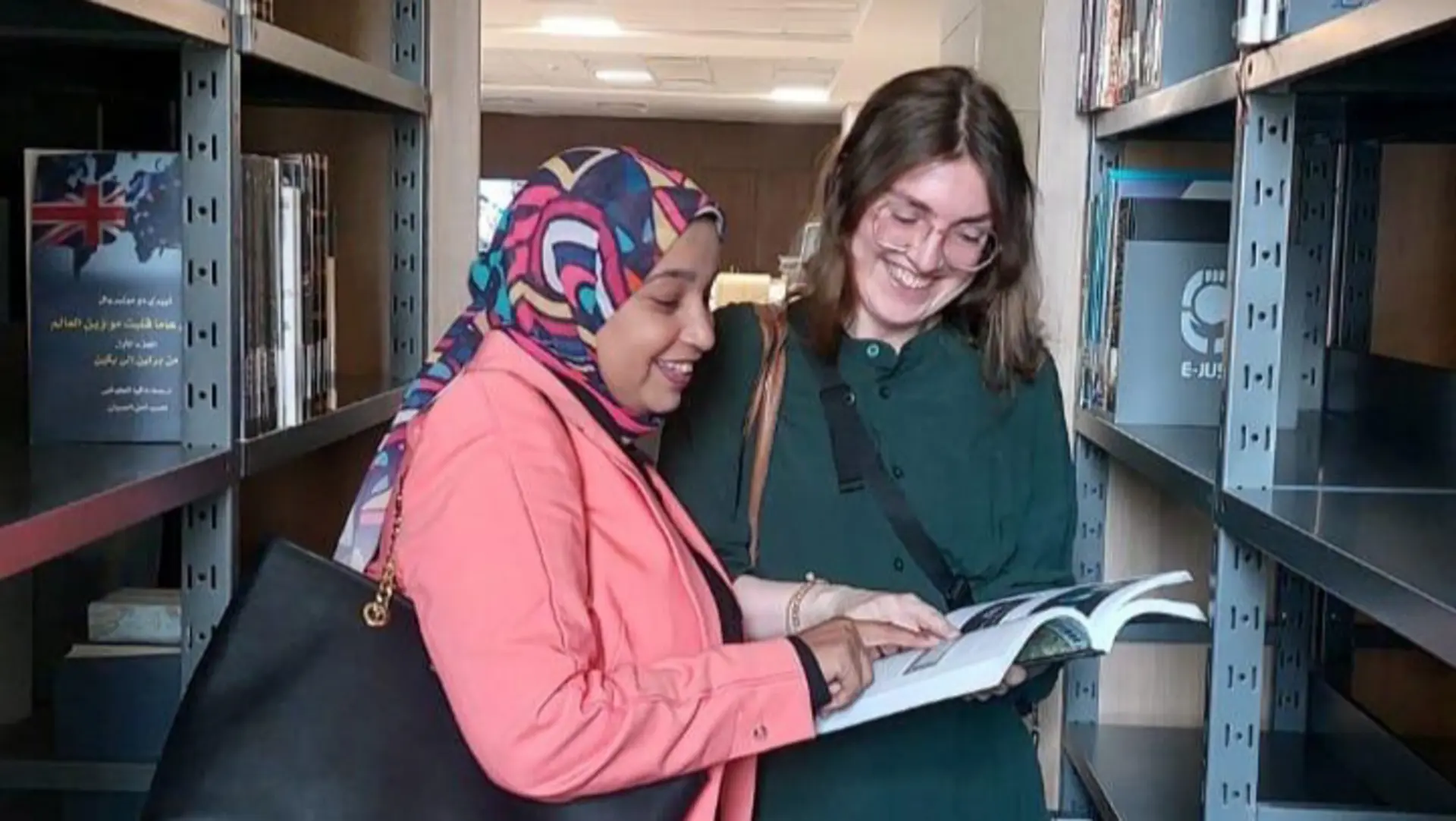
In the humanities part of the project, Barbara Henning, with support of her research assistant Elif Derin, conducts a detailed codicological and content-based study of medical manuscripts from the library collection. Their approach pays particular attention to descriptions of eye diseases, medicinal plants, dosage practices, and illustrations and examines the manuscripts’ functions and trajectories through traces of use, marginal notes, and ownership marks. Beyond reconstructing historical networks of knowledge, this research aims to assess whether traditional remedies documented in these texts can provide valuable starting points for contemporary biomedical research.
Ottoman medical manuscripts are fascinating sources that offer insights into centuries of observation, experimentation, and knowledge exchange. These manuscripts preserve much more than just texts: Approaching them as material objects, paying close attention to how medical knowledge is put on the page, how manuscripts are handled and annotated, how they are organized in libraries, retrieved and consulted by scholars, we can better understand how medical ideas travelled across the Mediterranean over time, and how they may continue to inspire scientific innovation today.
Barbara Henning, AGYA member
From Frankincense to Nanotechnology
Building on these historical findings, the biomedical component of the project develops advanced ocular drug-delivery systems based on nanotechnology. An expert in pharmacology and nanomedicine, Sara Abdel Gaber will incorporate natural compounds such as frankincense into nanoparticles embedded in hydrogels and soft contact lenses, and thereby enable a sustained release of medication directly to the eye. Such innovative materials have the potential to overcome the limitations of conventional eye drops by improving drug absorption and extending therapeutic effects.
Nature has provided powerful anti-inflammatory compounds such as frankincense for thousands of years. By combining this traditional knowledge with advanced nanotechnology, we hope to develop safer and more effective therapies that improve patients' lives.
Sara Abdel Gaber, AGYA member
A Meeting Point for Past and Future
An essential part of the project is an international conference, hosted at the Hafiz Ahmed Agha Library in Rhodes, which brings together historians, medical researchers, materials scientists, and manuscript experts from across Europe and the Arab world. Set within one of the Eastern Mediterranean's most remarkable centres of manuscript heritage, the event will provide a platform to discuss the project's findings, exchange interdisciplinary perspectives, and explore new opportunities for collaboration across research fields and regions. By returning scientific dialogue to a place that has witnessed the circulation of knowledge for centuries, the conference reflects the project's central idea: that innovation thrives best when different disciplines, cultures, and scholarly traditions come together.
- Disciplines involved
- History, Nanomedicine, Materials Sciences
- Cooperation Partners
- Hafiz Ahmed Agha Foundation, Greece
- Venue
- Hafiz Ahmed Agha Library, Rhodes, Greece
- Conference dates
- 19-20 September 2026
- Project Title
- Medical Manuscript Cultures Across the Mediterranean: Historical Knowledge and Its Potential for Ocular Remedies
- Year
- 2025 - 2026
- Funding Scheme
- Tandem Project
- Countries Involved
- Germany, Egypt, Greece