Working Group Project
Diversity in Education: Strengthening Inclusive Learning
Case Study & Training
Educational systems across the Arab world and Germany are becoming increasingly diverse. Migration, demographic change, multilingualism, and evolving inclusion policies have transformed classrooms and lecture halls, particularly in post-secondary education. Yet, many institutions and educators remain insufficiently prepared to meet the needs of learners with different abilities, learning styles, and linguistic or socio-economic backgrounds. Ensuring equitable access to quality education under these conditions has become a pressing challenge for education systems worldwide.
This Working Group Project addresses this challenge by bringing together researchers and educators from multiple disciplines and countries to identify key factors that shape institutional and pedagogical preparedness for inclusive education. Drawing on case studies from Egypt, Morocco, Iraq, the United Arab Emirates, and Germany, the project reflects a wide range of educational systems and institutional contexts. It also looks across disciplines, including engineering, physical education, pharmaceutical sciences, and the humanities. This comparative approach shows that while inclusion challenges differ across fields and countries, many practical solutions can be shared and adapted.
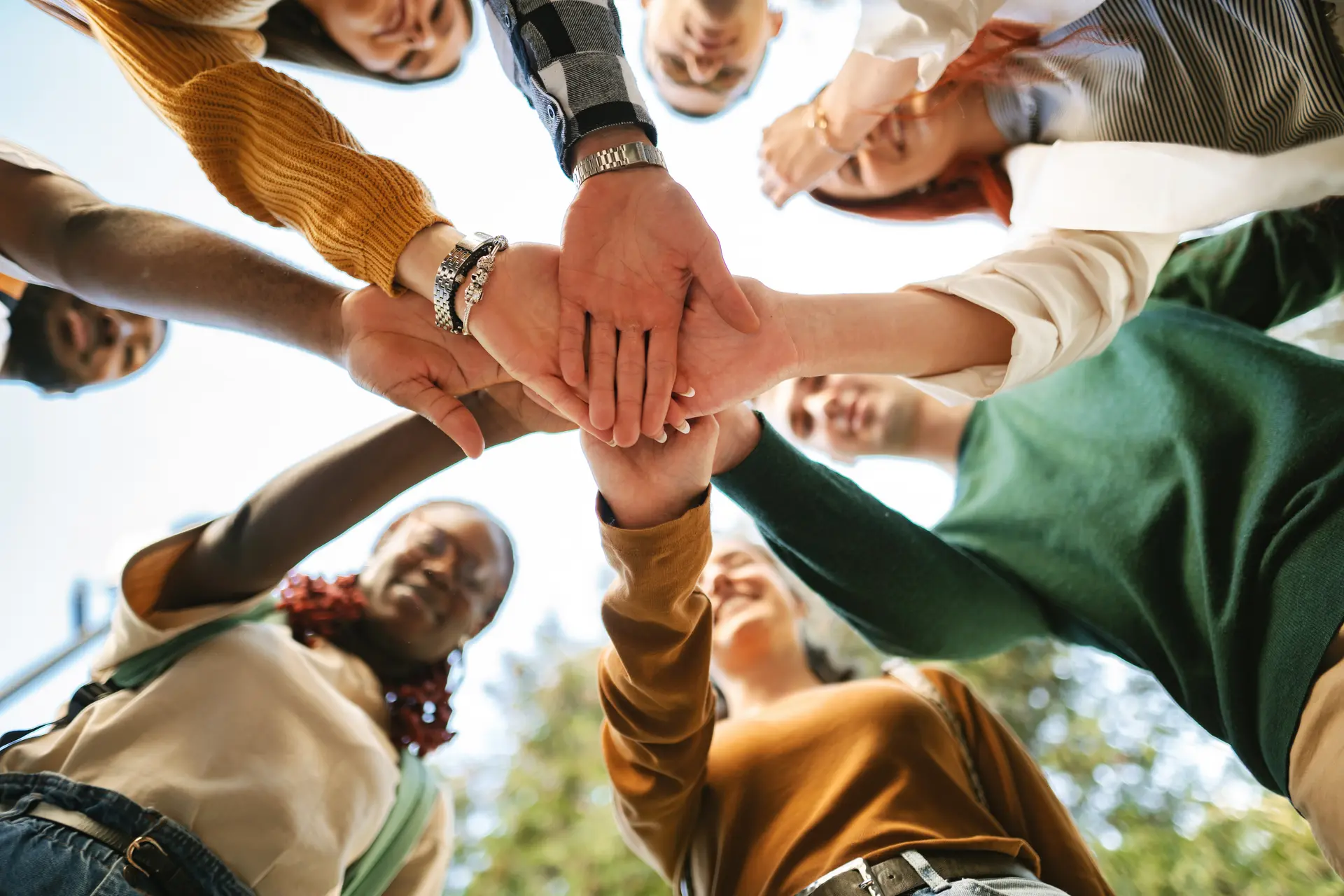
Inclusive education is a shared practice, where understanding and collaboration turn challenges into opportunities for all learners.
Abdulsatar Sultan, AGYA member
Learning across countries and disciplines
The project builds on the idea that inclusive education must go beyond policy commitments and be translated into everyday teaching practice. To this end, it combines research with hands-on training and exchange. Two targeted training sessions were held on Fuzzy Cognitive Mapping (FCM) and Universal Design for Learning (UDL) to strengthen participants’ methodological and pedagogical capacities. In addition, educators and students from several Arab countries and Germany contribute their experiences through surveys, focus groups, and curriculum reviews. These inputs help identify concrete obstacles, such as limited access to support services, rigid assessment formats, digital divides, or a lack of training in inclusive teaching methods.
While the specific contexts of education systems differ across countries, many challenges are shared. By bringing together educators from different regions, the project creates opportunities for mutual learning. Experiences from German institutions inform inclusive practices in the MENA region, while insights from Arab contexts, such as multilingual teaching or working under resource constraints, offer valuable lessons for German education systems.
From challenges to practical solutions
The project provides an openly accessible report and a practical toolkit for inclusive teaching, tailored to different institutional and cultural contexts. These outputs are designed to support educators, universities, and policymakers in strengthening inclusive education strategies.
By focusing on concrete needs, practical training, and cross-regional exchange, this project contributes to making inclusive education a realistic and achievable goal – benefiting students, educators, and education systems alike.
iStock
- Disciplines Involved
- Business Management, Digital Transformation, Education, Electrical Engineering, Political Science, Pharmacy, Egyptology, Mathematics, Chemistry
- Cooperation Partners
- Nile University, Egypt
- SMBA University, Morocco
- Catholic University in Erbil, Iraq
- Kafrelsheikh University, Egypt
- United Arab Emirates University (UAEU), UAE
- Cairo University, Egypt
- Project Title
- Identifying and Addressing the Needs of Diverse Learners in Arab and German Education Systems
- Year
- 2025
- Funding Scheme
- Working Group Project
- Working Group
- Arab and German Education
- Countries Involved
- Germany, Egypt, Morocco, Iraq, United Arab Emirates, Oman