Working Group Meeting
Building Supportive Communities for Neurodivergent Families
Transdisciplinary Workshop & Empirical Study
The journey of neurodivergent families is marked by unique challenges, often facing distinct struggles that affect their mental health and well-being. Parenting, compounded by societal expectations and limited understanding of neurodiversity, places considerable stress, especially when families also navigate their own neurodivergent traits. Underdiagnosis or late recognition of neurodivergence can delay access to supportive resources, leaving many caregivers feeling isolated and unsupported. The AGYA Working Group on Health & Society aims to address these challenges by exploring cultural perceptions, accessibility of support services, and practical interventions, including physical activities that benefit individuals with autism, across Egypt, Libya, Oman, and Germany.
Transdisciplinary exchange
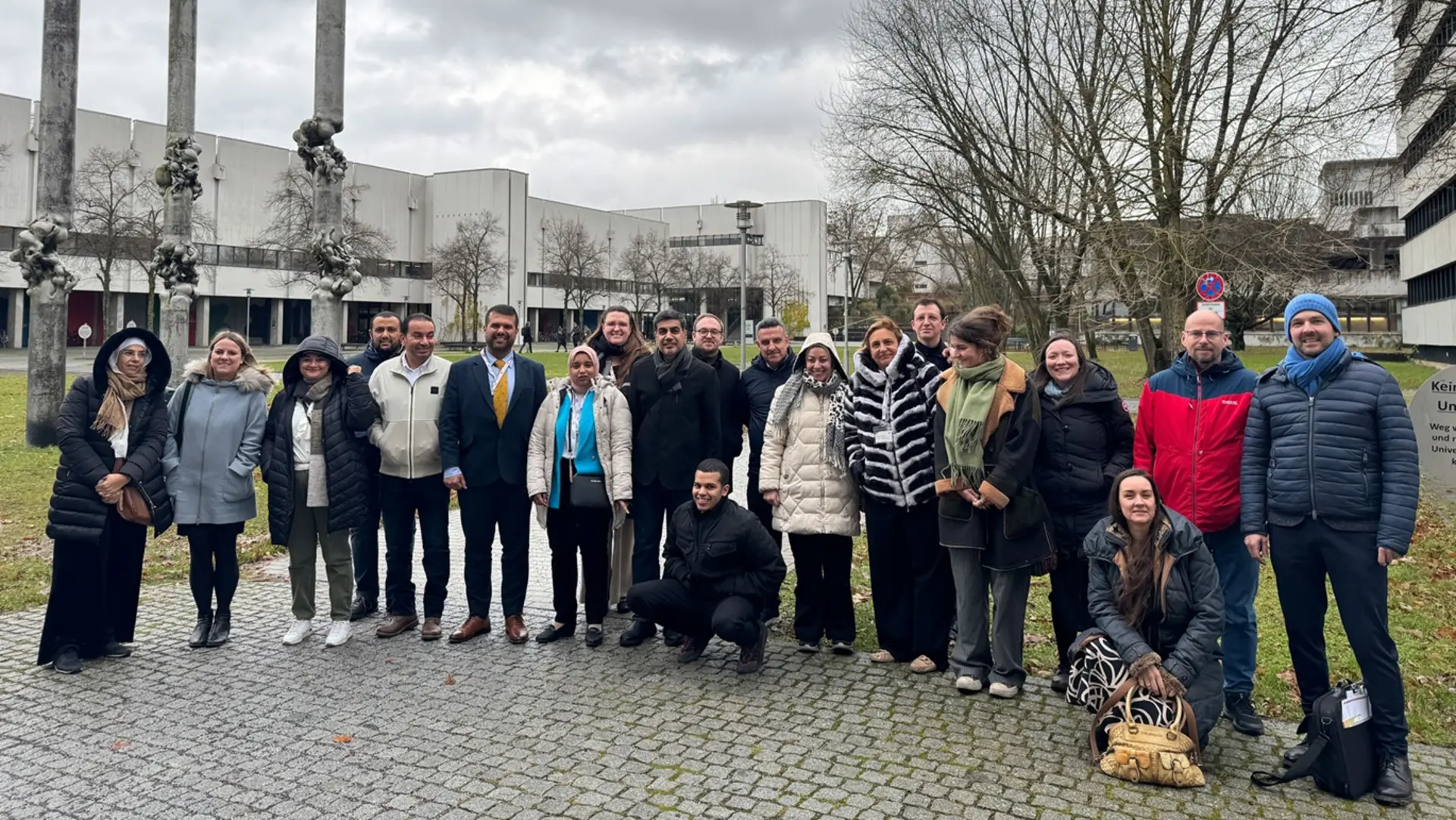
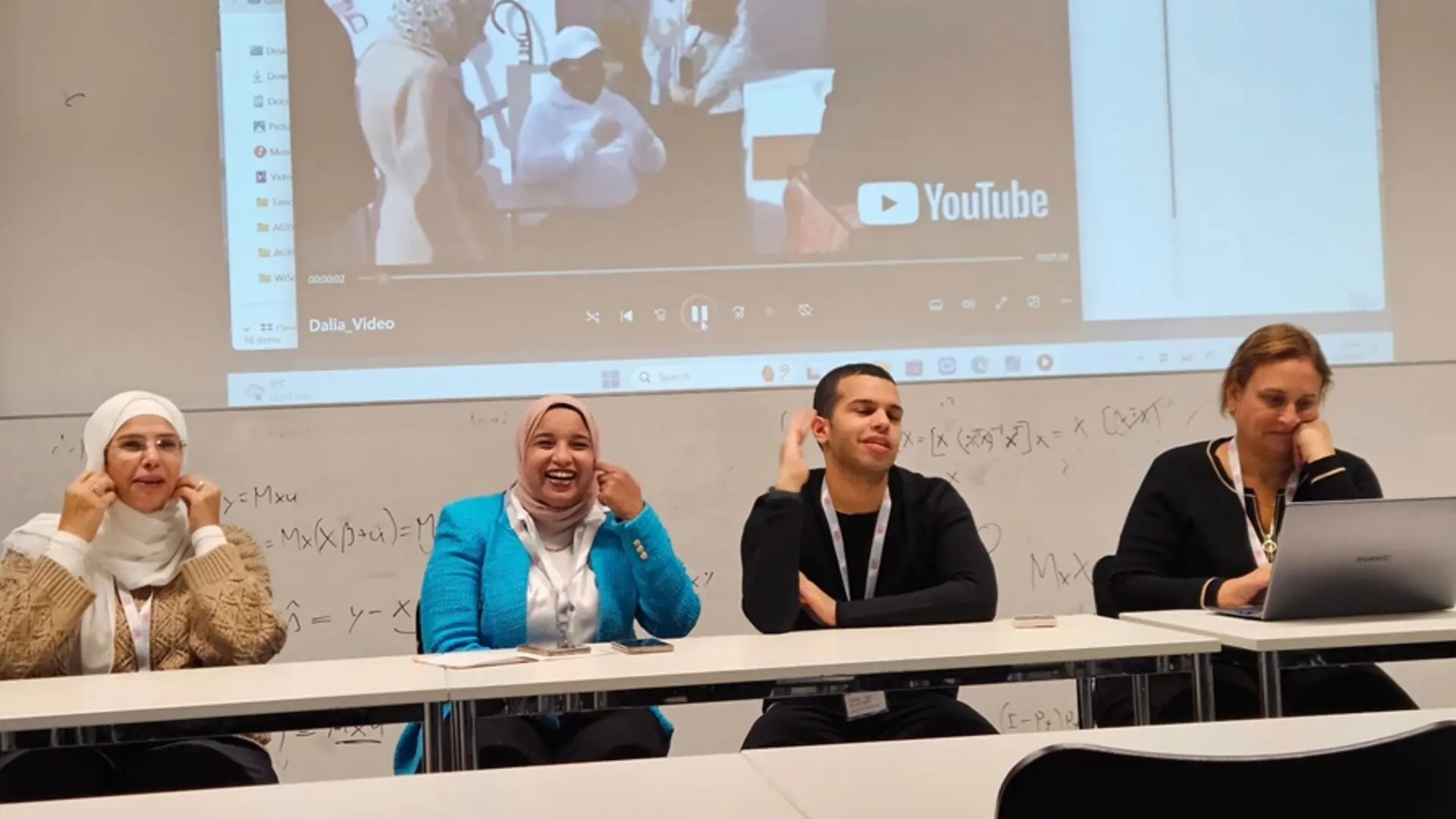
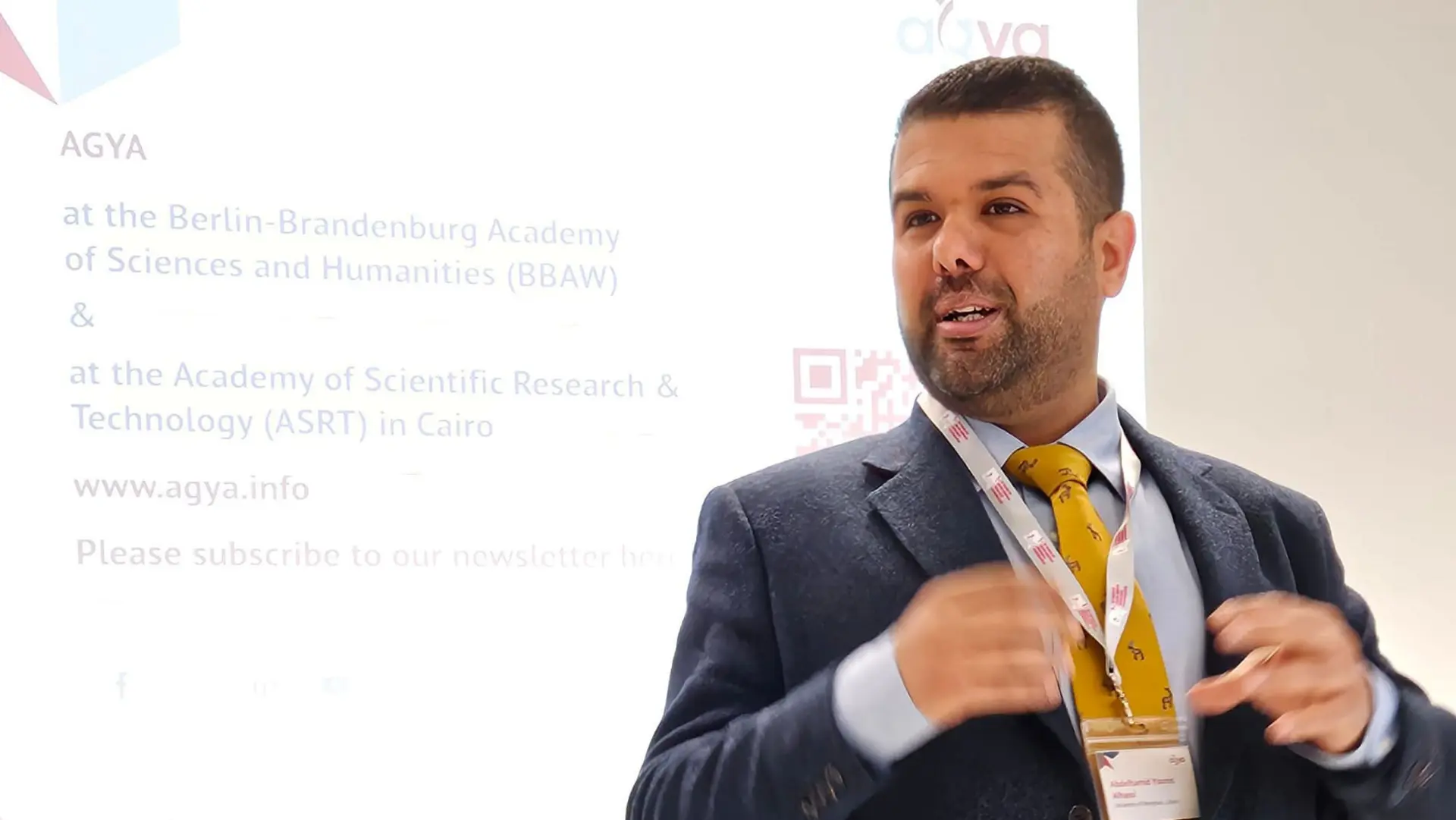
Bringing stakeholders and researchers together for a transdisciplinary exchange, AGYA members implemented a workshop in cooperation with the University of Regensburg, on invitation of AGYA alumna Prof. Dr. Jenny Oesterle. Prof. Dr. Abdelhamid Alhassi introduced AGYA’s strategy to experts, researchers, caregivers, and advocates presented their findings and discussed strategies for supporting neurodivergent individuals and their families. Prof. Dr. Lobna Said, Prof. Dr. Sara Abdel Gaber, and Dr. Salwa Mahmoud Alassal, Founder and Chairman of the Board of Directors of the Libyan Autism Society in Benghazi and Founder of the Benghazi Autism Center, shared highlights of the AGYA Awareness Days in Egypt and Libya.
Prof. Dr. Sarah Carol together with Lisa Kos, University of Freiburg, examined support services for neurodivergent students at German universities, revealing that many institutions still group neurodivergent conditions under general disability categories. A few universities, however, have begun to implement tailored programs, inclusive portals, and mentoring opportunities to address their needs more effectively.
Prof. Dr. Majid Al-Busafi, Sultan Qaboos University, highlighted the benefits of sports and physical activities for autistic children in Oman, identifying swimming, basketball, gymnastics, yoga, and horseback riding as particularly beneficial for social, cognitive, and motor development, while noting the need for specialized trainers and better resources.
Advances in technology and neuroscience
Advances in technology and neuroscience were also showcased. Prof. Dr. Raid J. Abdel-Jalil, Sultan Qaboos University, discussed the use of PET neuroimaging to detect neurodivergent conditions early and guide personalized interventions, while Prof. Dr. Sahar Selim, Nile University, explored AI-based tools for improving diagnosis and rehabilitation, enabling tailored educational and therapeutic strategies for neurodivergent individuals. Prof. Dr. Petra Jansen, University of Regensburg, emphasized mindfulness and structured sports as effective ways to enhance cognitive flexibility, self-regulation, and executive functioning in children with autism and ADHD.
Advocates and lived experiences
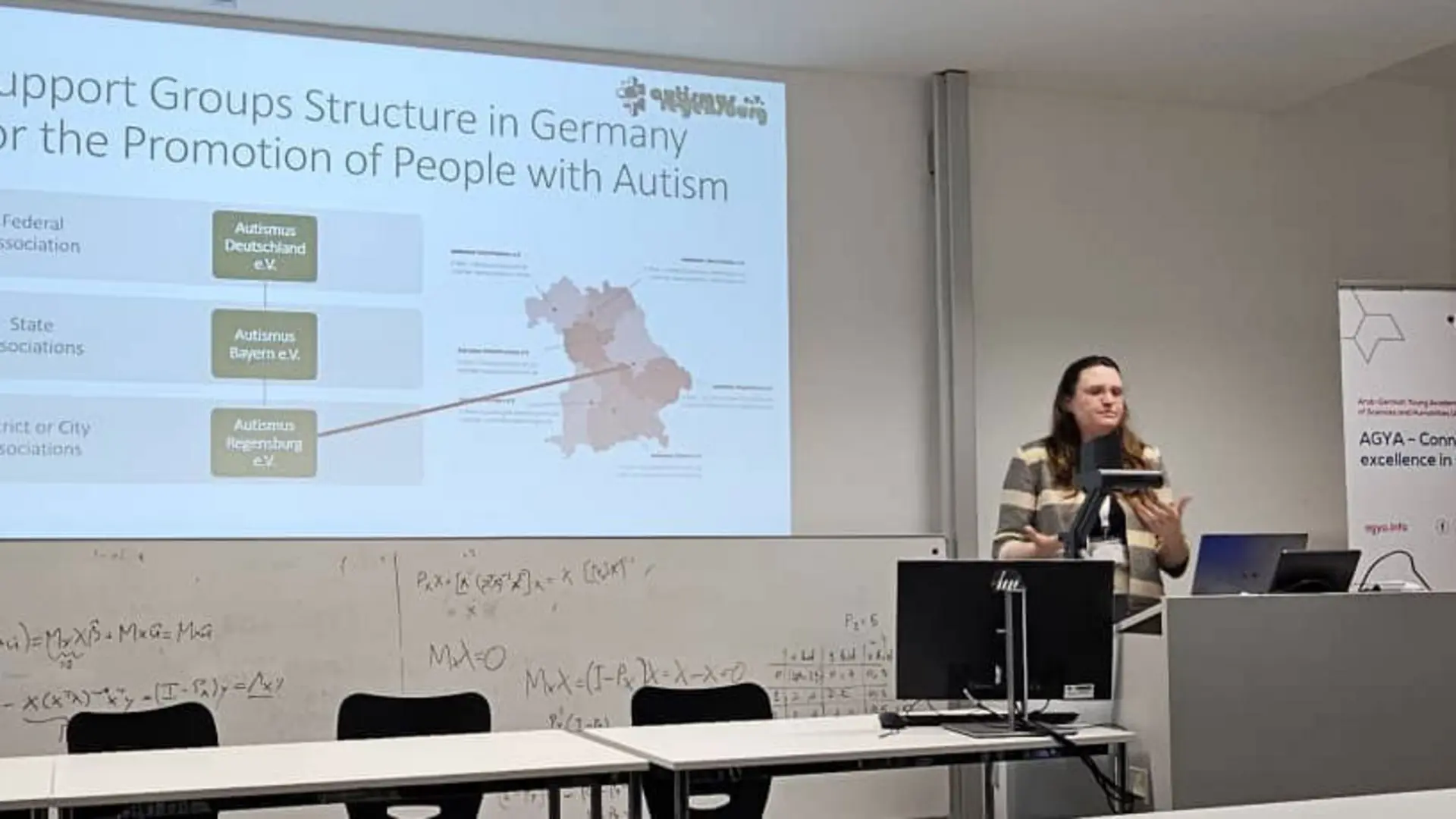
Contributions from advocates and practitioners enriched the discussion, highlighting lived experiences and systemic challenges. Dr. Dahlia Soliman, President and Founder of the Egyptian Autistic Society, shared the transformative impact of her organization in raising awareness and providing early support for families. Carolina Wolter, Board Member of Autism Regensburg e.V. Association, Germany, discussed ongoing gaps in Germany’s autism support system, including diagnostic delays and bureaucratic hurdles. Dr. Simon Meier, Head of the Counselling Center for Children, Young People and Parents in Regensburg, Germany, explored the long-term impact of early attachment disruptions in deprived or maltreated children and the importance of secure caregiving environments for neurodevelopment.
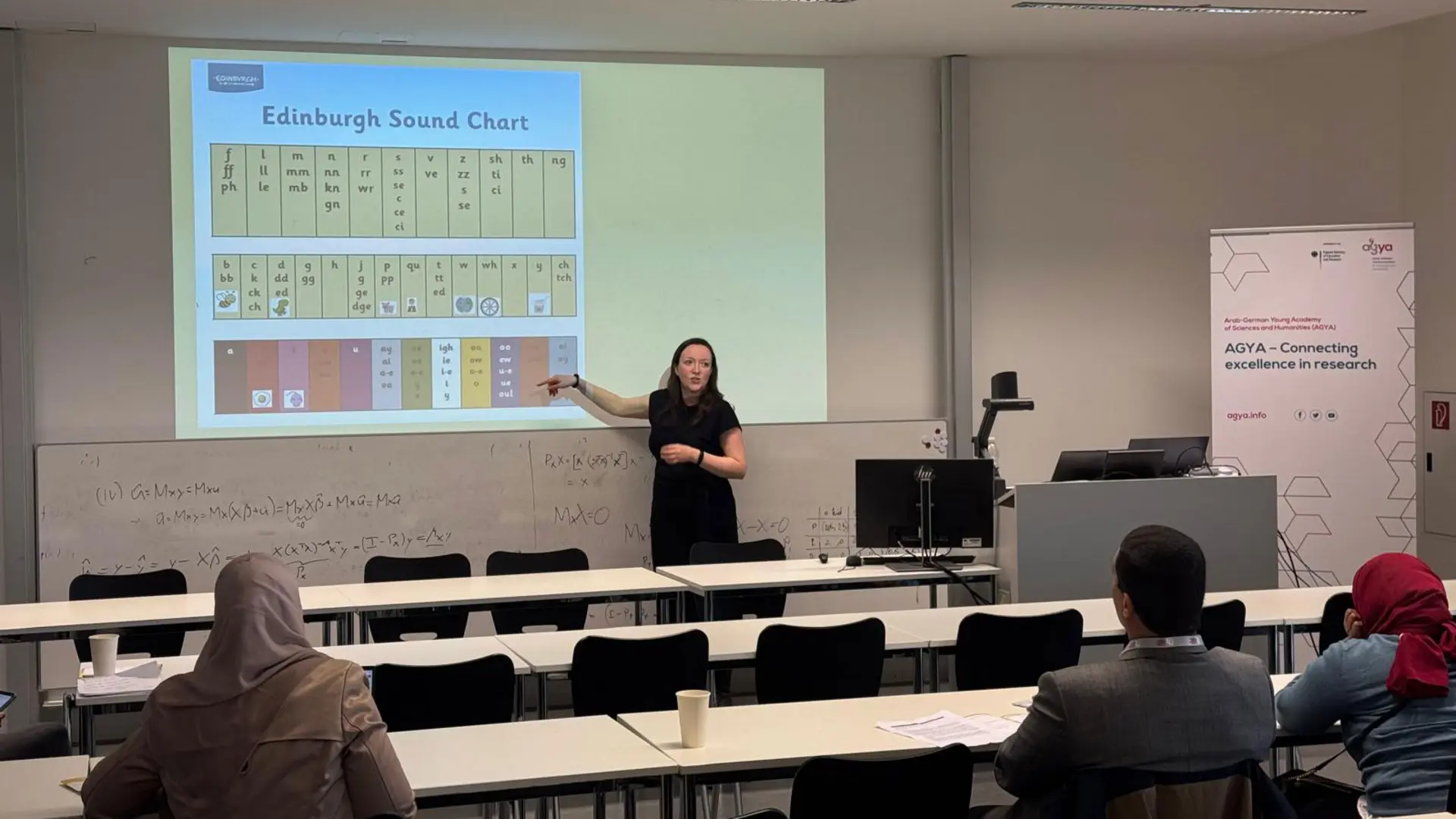
Maria Elisabeth Doerk provided a perspective on neurodivergent parenting, emphasizing individualized coping strategies and the importance of support for mothers navigating both personal and familial neurodivergence. Educational strategies were illustrated by Jenny MacDonald, who demonstrated practical interventions in schools, and Dr. Herbert Schwaab from Akku e.V., Germany, highlighted the role of art in fostering expression and understanding for autistic individuals.
Building Networks and Inclusive Practices
The AGYA workshop created a newly established network and offered a rich, cross-cultural platform to share research, practical approaches, and personal experiences. By combining scientific insights, innovative interventions, and advocacy perspectives, the working group reinforced the importance of tailored support for neurodivergent families and the potential for inclusive practices across education, healthcare, and community environments.
The Working Group members extend their gratitude to the project assistants Dr. Dani Nassif, who made the workshop in cooperation with the University of Regensburg possible, and Aseela Abdullah Al Shammakhi from Oman, who supported the research study by Majid Al-Busafi. The workshop results were presented in a report written by Lisa Kos from the University of Freiburg. The project partners sincerely thank the community members and organizations who are involved in the project activities.

- Venue
- University of Regensburg, Germany
- Cooperation Partners
- University of Regensburg, Germany
- WZB Berlin Social Science Centre, Germany
- University College Dublin, Ireland
- Sultan Qaboos University, Oman
- Project Title
- Creating a Safe Environment: Building Supportive Communities for Neurodivergent Families
- Year
- 2024
- Funding Scheme
- Working Group Meeting
- Working Group
- Health and Society
- Countries Involved
- Germany, Ireland, Oman
- AGYA Publication
- Creating a Safe Environment: Building Supportive Communities for Neurodivergent Families