Twinning Project
Advancing Gluten-Free Nutrition for Inclusive Food-Systems
Transdisciplinary Workshop
Recent studies show that the incidence of celiac disease has been rising by about 7.5% per year in recent decades, especially in industrialized countries. Today, celiac disease affects approximately 1% of the global population, requiring a strict gluten-free diet as its sole treatment.
In Germany, the gluten-free products market is experiencing significant growth, driven by increasing health awareness, rising diagnoses of celiac disease and gluten sensitivities. Many supermarkets and even restaurants and bakeries now offer gluten-free options. Likewise, in the Arab region, the gluten-free products market is projected to grow steadily. Nevertheless, domestic productions of gluten-free products in Arab countries are still developing, leading to a reliance on expensive imports and potential supply chain vulnerabilities.
Gluten-Free Crops Cultivated Across Arab Countries
At the same time, many Arab countries cultivate crops that are suitable for gluten-free diets. One of these crops is sorghum – a cereal grain that does not contain gluten. Sorghum is very much know in Sudan. There, AGYA member Dr. Tilal Abdelhalim enhanced the nutritional value of sorghum by developing biofortified varieties rich in fiber and essential minerals. Other gluten-free and climate-resilient crops that are increasingly cultivated in Arab countries include millet and quinoa. In previous AGYA projects climate-adaptive and biofortified crops such as qinoa, sorghum, pearl millet, and even dates have been researched for their potential to innovate agriculture, to fight malnutrition and to ensure food security. Because these species have a higher tolerance to stress factors such as drought, they are becoming increasingly important for future land use and food production in Germany and Europe.
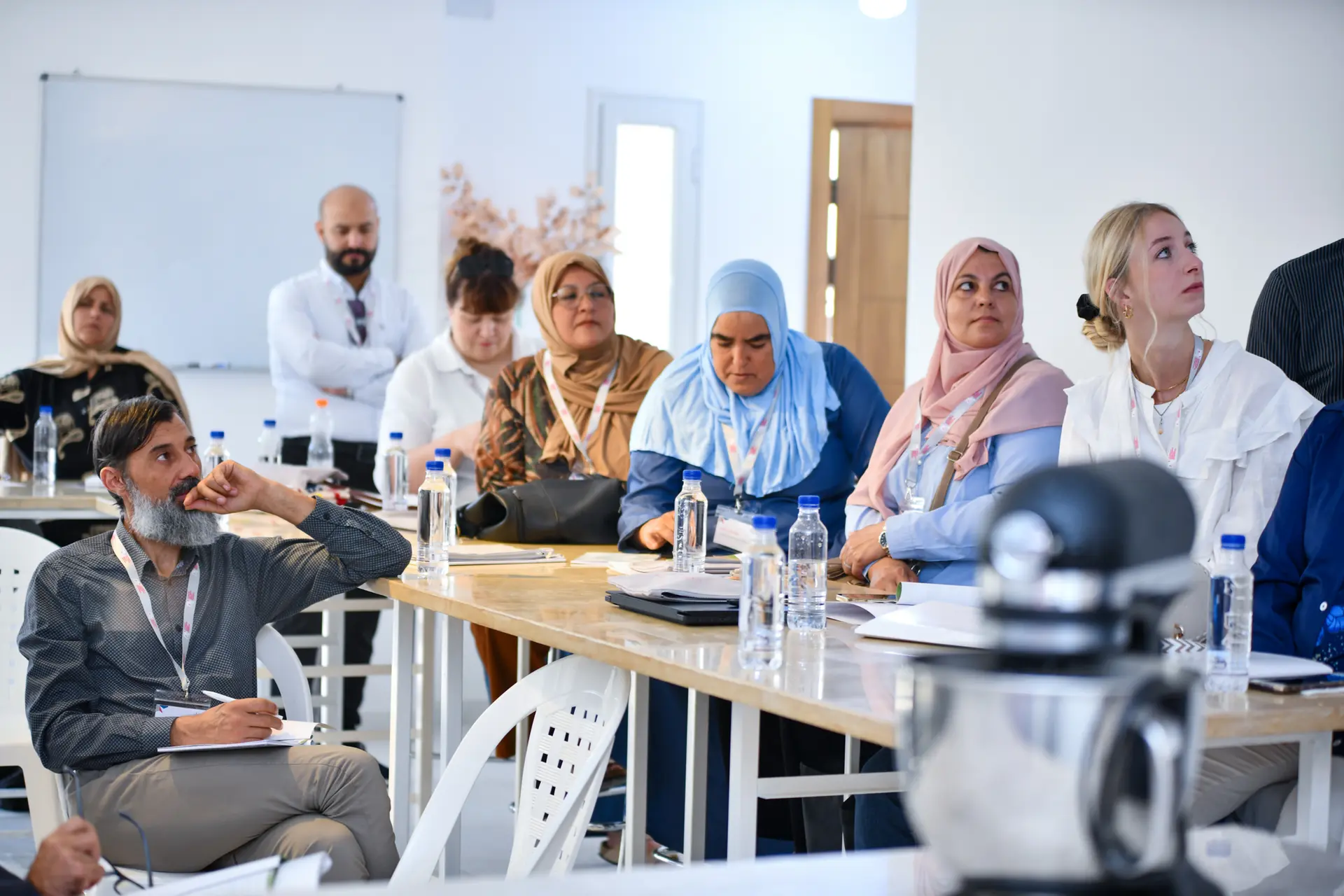
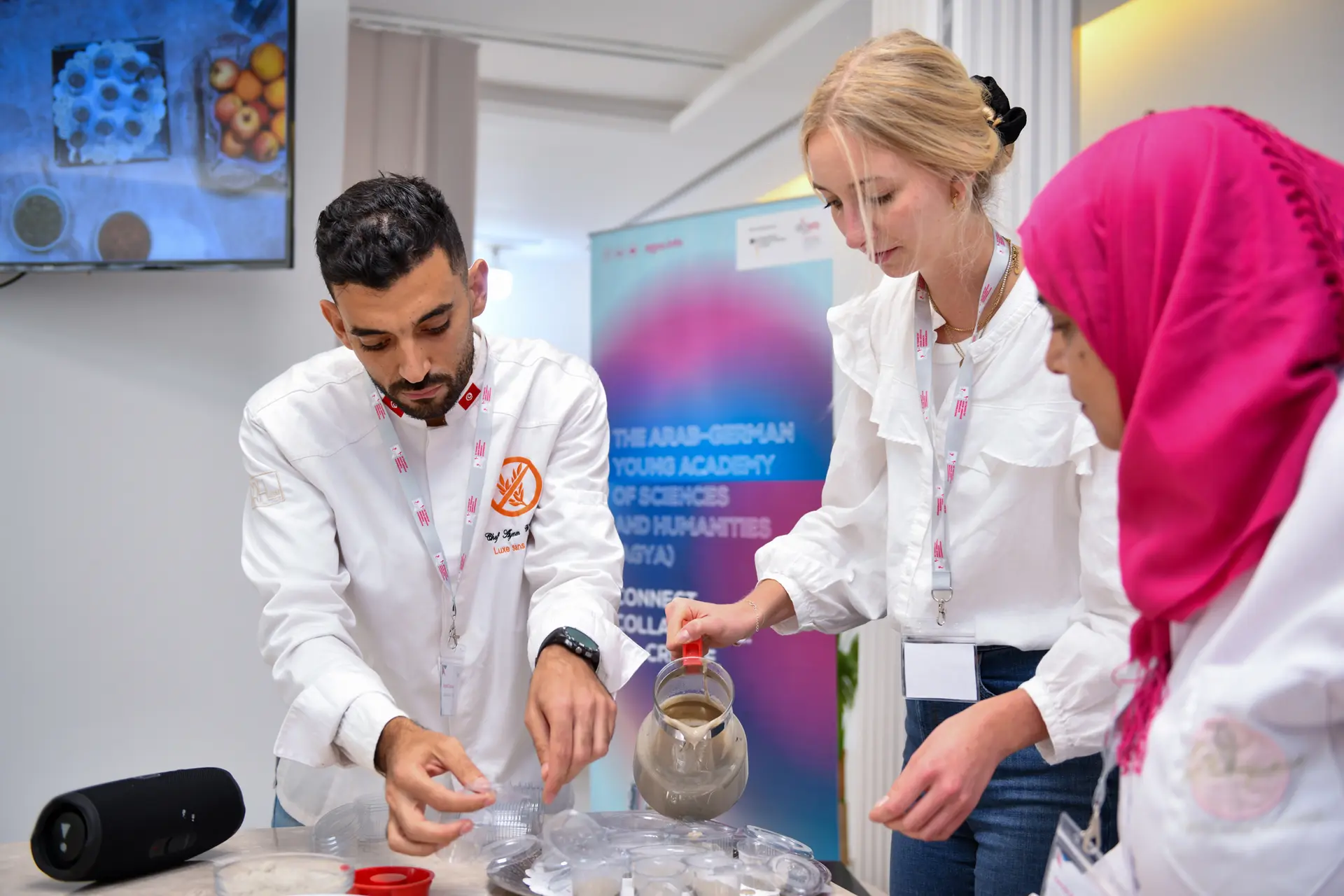
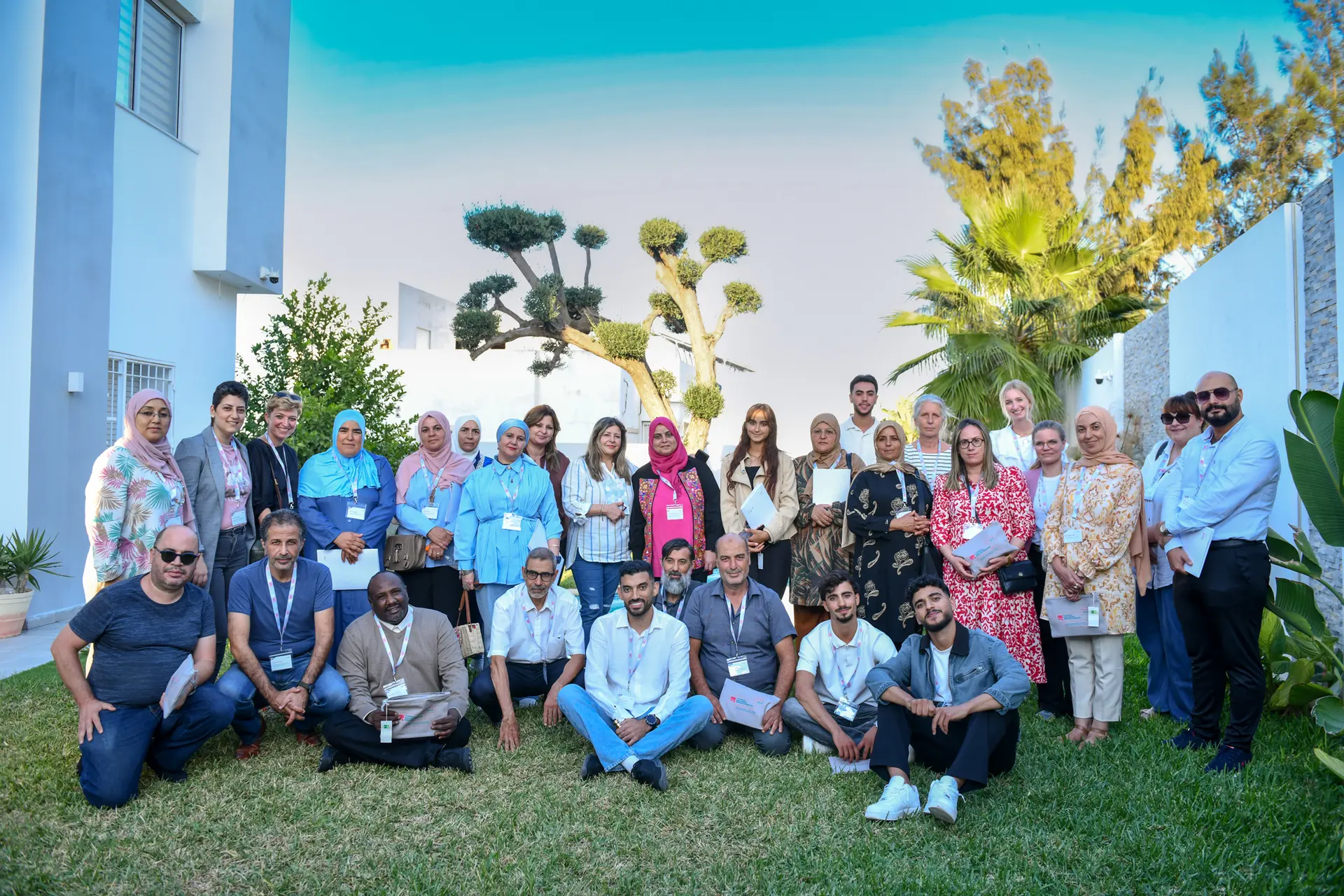
By harnessing the rich crops of Sudan and beyond, and responding to the growing demand for gluten-free foods, we brought people farmers, researchers, and chefs in a hands-on workshop to bake and experience sorghum- and millet-based products.
Tilal Abdelhalim, AGYA Alumnus
Advancing food technology and developing nutritional diets
Social acceptance of biofortified and gluten-free foods is shaped by taste, cultural familiarity, and emotional response. In the workshop, we explored that advancements in food technology have enhanced the sensory qualities of gluten-free goods, making them more palatable and culturally familiar.
Henda Mahmoudi, AGYA Alumna
The workshop aims to enhance gluten-free foods by incorporating biofortified sorghum and pearl millet into traditional Arab cooking recipes, promoting sustainable agricultural practices. Building on previous AGYA projects that focused on optimizing the nutrient content of various millet varieties in Sudan—primarily targeting female farmers—this project aims to shift the focus to the end consumer. Traditional Arabic recipes will be further developed and tested using these millet varieties.

- Project Title
- Advancing Gluten-Free Nutrition for Climate-Smart and Inclusive Food Systems: Coping with Celiac Disease Through Biofortified Cereal and Pseudocereal Crops
- Year
- 2025
- Funding Scheme
- Twinning Project
- Countries Involved
- Sudan, Tunisia, Germany