Working Group Project
Advancing Neurodivergence Support in Libya and Egypt
Awareness Campaign
Neurodivergence, encompassing conditions like autism, attention deficit hyperactivity disorder (ADHD), and dyslexia, presents unique mental health challenges for individuals and their families worldwide. The Working Group members propose a collaborative approach between Arab and German researchers and practitioners to raise awareness, provide education and training, and advocate for inclusive policies.
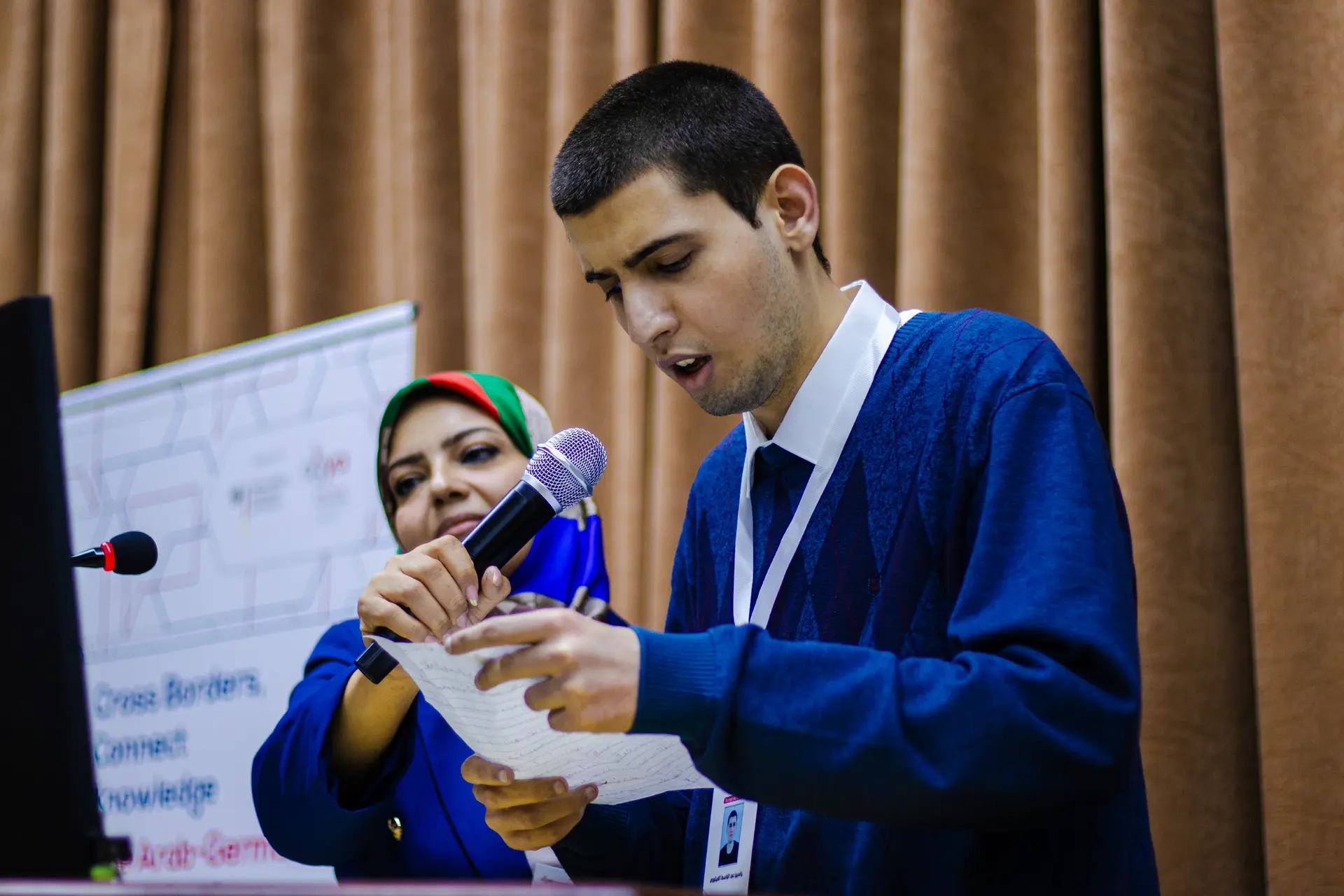
The Working Group Health and Society implemented a series of Awareness Days on Neurodivergence in Benghazi, Cairo, and Kafrelsheikh. Under the shared goal of promoting understanding, support, and acceptance, the events brought together researchers, educators, families, and community representatives to address the challenges faced by neurodivergent individuals and their families. Focusing particularly on conditions such as Autism Spectrum Disorder, the events highlighted the importance of awareness, inclusive policies, and practical support systems in the Arab region.
Awareness Day in Benghazi: Understanding, Supporting, and Embracing
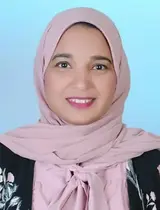
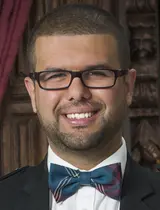
The AGYA awareness days in cooperation with the University of Benghazi, Libya, were successfully organised by AGYA members Prof. Dr. Abdelhamid Alhassi and Prof. Dr. Ali Elgayar. During the Awareness Days, Dr. Salwa Mahmoud Alassal, founder and chairman of the board of the Libyan Autism Society and founder of the Benghazi Autism Center, highlighted that Benghazi only established its first center for diagnosing and supporting autistic children in 2014, illustrating how limited support structures have been in the country. Across Libya, specialized services remain scarce, forcing many families to seek treatment abroad in countries such as Egypt and Jordan, where more developed care systems are available. The workshop was made possible by the exceptional commitment of Dr. Ruwida Snini, Dean of the Faculty of Pharmacy.
Despite a growing number of autism diagnoses among Libyan children, the country continues to face serious challenges. Cultural stigma surrounding autism and neurodevelopmental conditions often delays early diagnosis and intervention. The lack of professional treatment facilities has even led some parents to establish their own schools for autistic children. While driven by dedication and necessity, these initiatives frequently lack the specialized training required for effective care. Nevertheless, there is optimism about recent developments in Libya, noting a gradual increase in awareness and growing opportunities to strengthen support structures for autistic children and their families.
Awareness Day in Cairo: One Community Embracing All Voices
At Nile University in Cairo, Egypt, Prof. Dr. Lobna Said shared a personal experience with a student, who was struggling with severe anxiety and mental health challenges during an exam, that inspired her commitment to mental health advocacy. For Lobna Said, this moment highlighted the persistent stigma surrounding mental health in Egypt, particularly for men who often face societal expectations to conceal vulnerability and maintain an appearance of strength. Motivated by this encounter, she launched a series of workshops designed to foster inclusivity, break down barriers surrounding mental health, and provide practical strategies for support. The awareness days at Nile University brought together students, parents, educators, and professionals through expert lectures, interactive sessions, and networking opportunities. By creating safe spaces for dialogue, the initiative aims to encourage early intervention and community support, addressing a critical need in many Middle Eastern societies where mental health issues frequently remain unspoken.
Awareness Day in Kafrelsheikh: Advocacy and Awareness for Autism
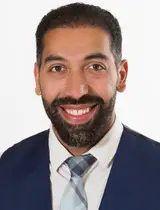
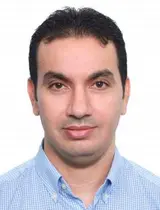
At Kafrelsheikh University, Egypt, Prof. Dr. Sara Abdel Gaber highlighted the evolving understanding of autism in Egypt and the wider Middle East. Over the past two decades, global awareness of autism has increased significantly, accompanied by a notable rise in diagnoses. However, limited public knowledge has historically led to misconceptions and stigma. Individuals on the autism spectrum were often misunderstood, sometimes perceived as inhumane or even supernatural, and their behavior was frequently attributed to poor parenting. These misconceptions created major barriers to social inclusion and placed heavy burdens on families. Many children were denied access to education, and parents often lacked the resources and guidance needed to support their children. Together with her fellow AGYA member Prof. Dr. Mohammed Alkatan, Sara Abdel Gaber implemented a series of physical activities combined with special nutrition to devlop recommentdations on nutrition and sports most suitable for people with autism.
In recent years, Egypt has made important progress. Numerous specialized centers, non-governmental organizations, and government initiatives now support early diagnosis, vocational training, family assistance, and public awareness. Legislative changes have also reflected greater recognition of the needs of autistic individuals, for example, exemptions from mandatory military service. Still, further efforts are needed to improve social integration. Sara Abdel Gaber emphasized that continued advocacy and awareness campaigns are essential to foster empathy, accurate knowledge, and inclusive societies across Egypt and the wider region.
Sharing results and building supportive communities
Through the Awareness Days on Neurodivergence, AGYA’s Health and Society Working Group continues to strengthen dialogue between researchers, practitioners, and communities in the Arab world and Germany. By promoting awareness, education, and collaboration, the initiative contributes to building more inclusive environments where neurodivergent individuals can thrive according to their abilities and potential. The results of the AGYA Awareness Days were presented at the International Transdisciplinary Workshop ‘Creating a Safe Environment: Building Supportive Communities for Neurodivergent Families’ in cooperation with the University of Regensburg in December 2024. Here, the working group invited stakeholders and practicioners active in the field of neurodiversity and developed recommendations by sharing research, identifying best practices, and fostering a general acceptance for neudivergent individuals in Germany and the Arab world.




- Disciplines involved
- Social Science, Medical Health, Pharmacy, Education, Sports
- Dates & Venues
- 19 November 2024, University of Benghazi, Libya
- 26-28 November 2024, Nile University, Egypt
- 25 December 2024, Egyptian Autism Society, Maadi, Cairo
- 27 December 2024, Olympic Center for Training National Teams
- Cooperation Partners
- Kafrelsheikh University, Egypt
- University of Benghazi, Libya
- Nile University, Egypt
- The Public Authority for Applied Education and Training, Kuwait
- Egyptian Autism Society, Egypt
- Project Title
- Diverse Horizons: Empowering Neurodivergent Families in Libya and Egypt
- Year
- 2024
- Funding Scheme
- Working Group Project
- Working Group
- Health and Society
- Countries Involved
- Egypt, Libya
- AGYA Publication
- Creating a Safe Environment: Building Supportive Communities for Neurodivergent Families