Tandem Project
From Farm to Classroom: School Meals Cooked with Clean Energy
Empirical Study & Community Building
Sudan is facing a severe food crisis, driven by ongoing conflict and mass displacement. Micronutrient deficiencies, particularly iron and zinc, contribute to high rates of anemia among school-aged children. In these fragile contexts, school feeding programs are vital safety nets. However, their impact is often constrained by unstable food systems and unsustainable cooking methods. This collaborative tandem project by AGYA members Prof. Dr. Tilal Abdelhalim and Prof. Dr. Sascha Hein presents a crisis-responsive, resilient school meal model that integrates biofortified cereal crops with biogas-powered clean energy systems.
Resilience is built from within communities. This project shows that even in the most fragile contexts, local actors — especially women — can build systems that connect the fields to the classroom, empowering communities to become agents of change for the health and education of their children.
Sascha Hein
Empowering Communities: Linking nutrition, education, agriculture, and clean energy
The project brings together nutritional, educational, and agricultural science with community participation and renewable energy in four connected work packages:
Understanding children’s needs: The project team collects health, nutrition, and education data to identify deficiencies and design targeted support measures.
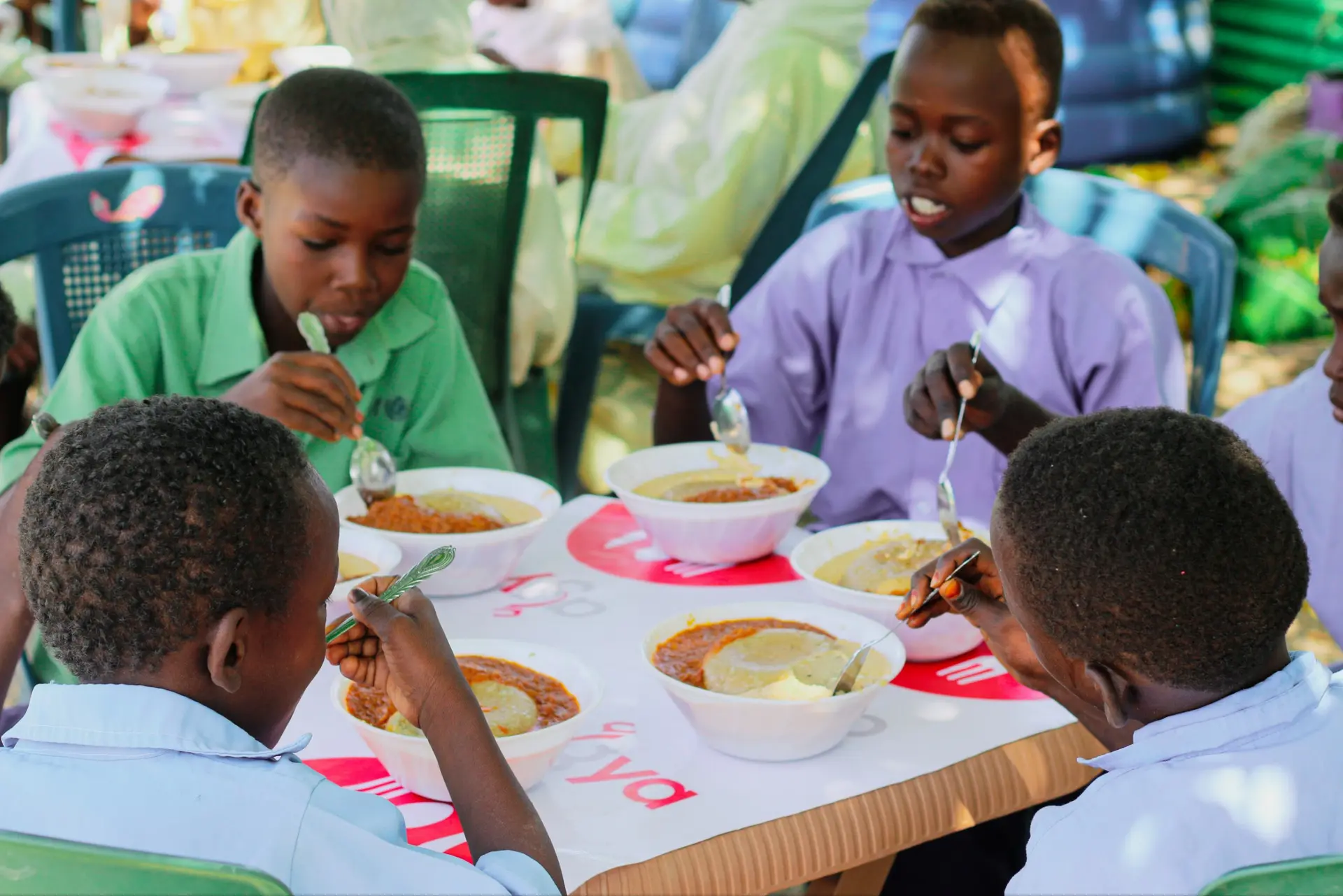
Co-creating nutritious school meals: Using participatory rural appraisal (PRA), Sudanese communities helped develop culturally accepted school meal recipes based on biofortified crops—iron- and zinc-rich sorghum and pearl millet, and vitamin A–rich maize. The meals were tested for taste, acceptance, and nutritional value to ensure they are both healthy and widely embraced.
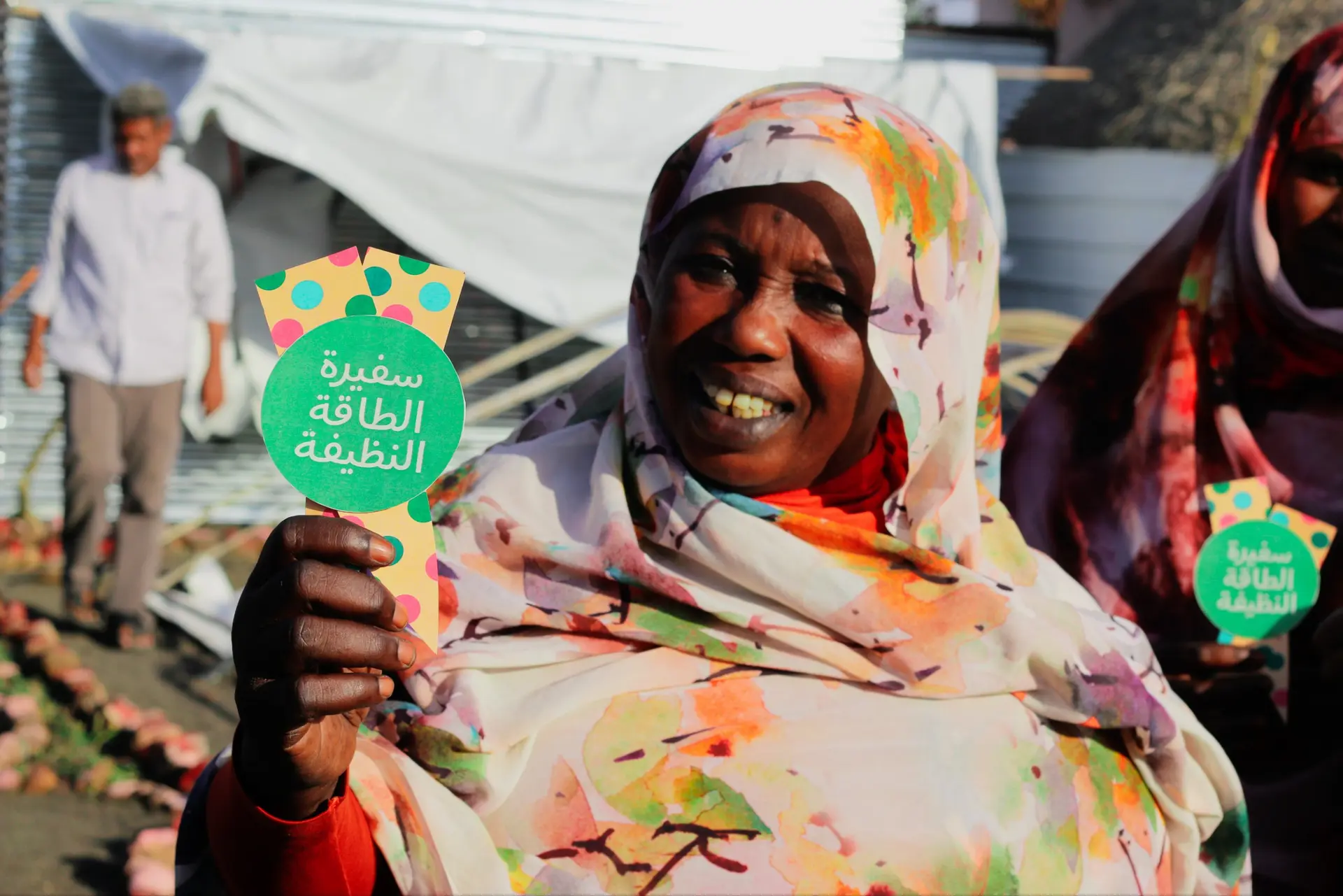
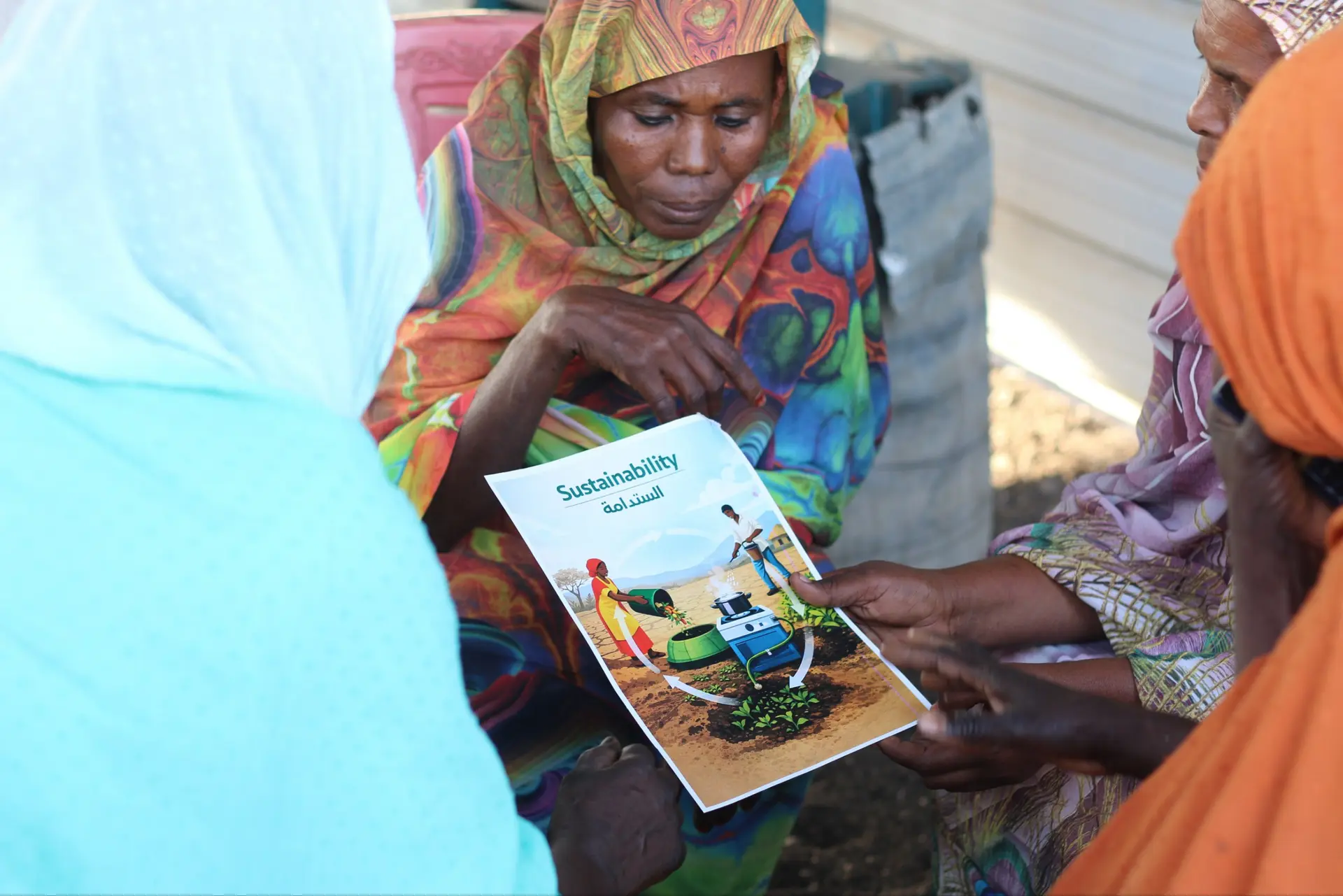
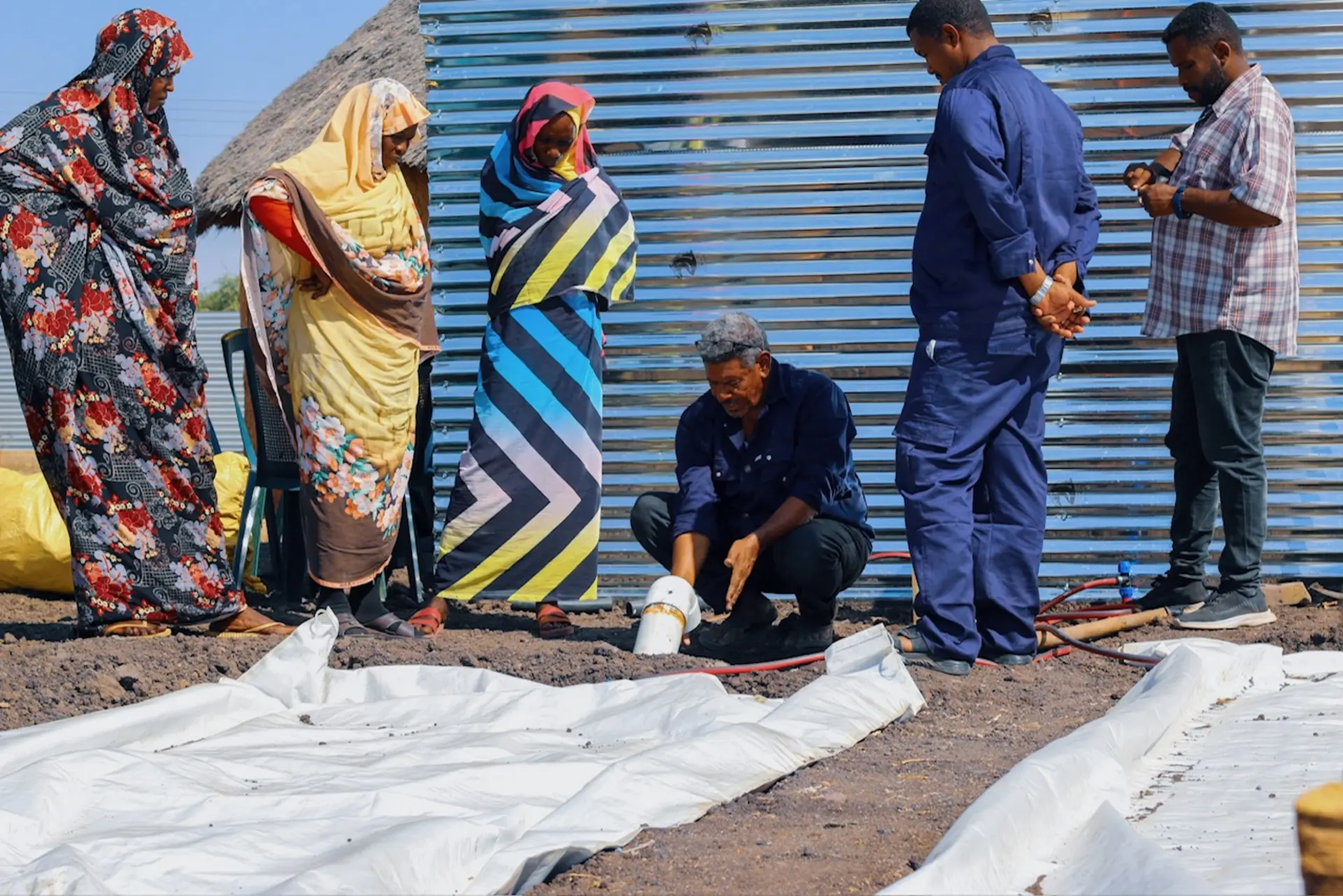
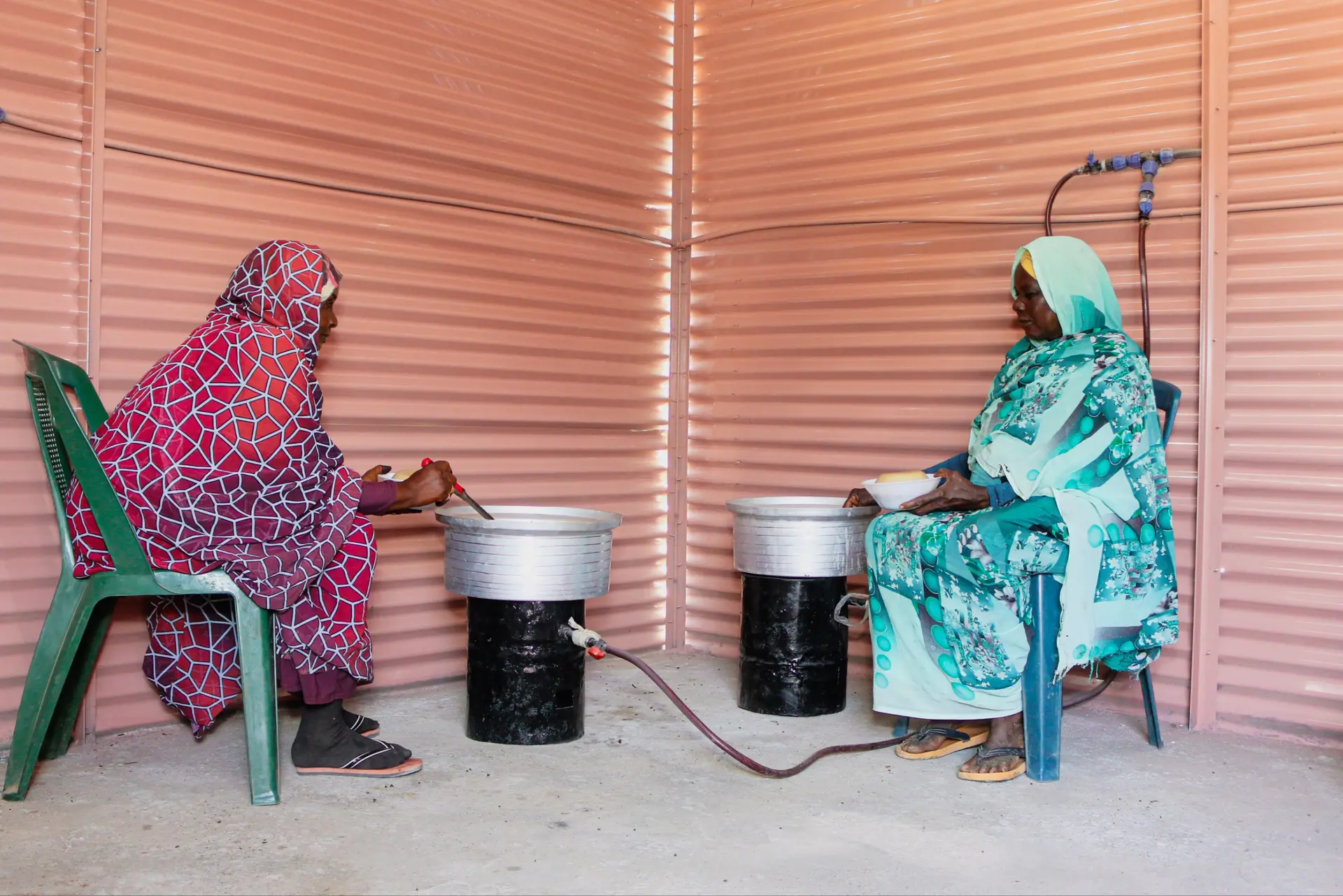
Turning waste into clean energy: A small-scale biogas system is installed in a school kitchen to convert organic waste into clean cooking fuel. The organic waste comes from allotment gardens known as Jubraka, where mostly women grow crops for both consumption and income. To operate the biogas system that produces energy for cooking and electricity generation, fifteen local women are trained as system operators and local energy ambassadors. The produced digestate, a nutrient-rich by-product, is used as organic fertilizer for crops in Jubraka, making it a low-cost, circular solution for communities.
Together, these components form a holistic, community-driven approach to strengthening child nutrition, promoting sustainable energy use, and empowering local communities. School meals are not charity; they are nation-building!
Tilal Abdelhalim
Impact monitoring: The program is implemented alongside a strong monitoring, evaluation, and learning (MEL) framework to track impact and guide continuous improvement. Community enumerators are trained to use KoBo, a digital data-collection tool that enables robust and efficient research while building skills that support future projects. Data was gathered from teachers, heads of households, and children themselves to holistically assess well-being, energy levels, participation, and social interaction. The program also examines broader community outcomes, including social cohesion and resilience.
As a researcher, I not only deepened my understanding of how school meals influence well-being and learning, but I also had the honor to become a small part of an extraordinary community of friends, neighbors, and families in Sudan—people who make the seemingly impossible possible.
Wiebke Streckenbach, Project Assistant
Broader impact: Developing community resilience to fight food and energy insecurity
The project adopts an interdisciplinary approach, integrating regenerative agrifood systems, education, nutrition science, female empowerment, and climate adaptation. Transdisciplinary collaboration with universities, local schools, caregivers, and policy stakeholders ensures long-term relevance and scalability. Scientifically, the project contributes evidence on the effectiveness of biofortified crops (pearl millet, sorghum, and maize) and clean energy in improving child nutrition and fostering learning outcomes in crisis settings. Economically, it promotes local agricultural systems, reduces dependence on imported food aid, and introduces cost-effective renewable energy solutions. Socially, it empowers women, enhances children’s well-being, and strengthens community resilience to food and energy insecurity.
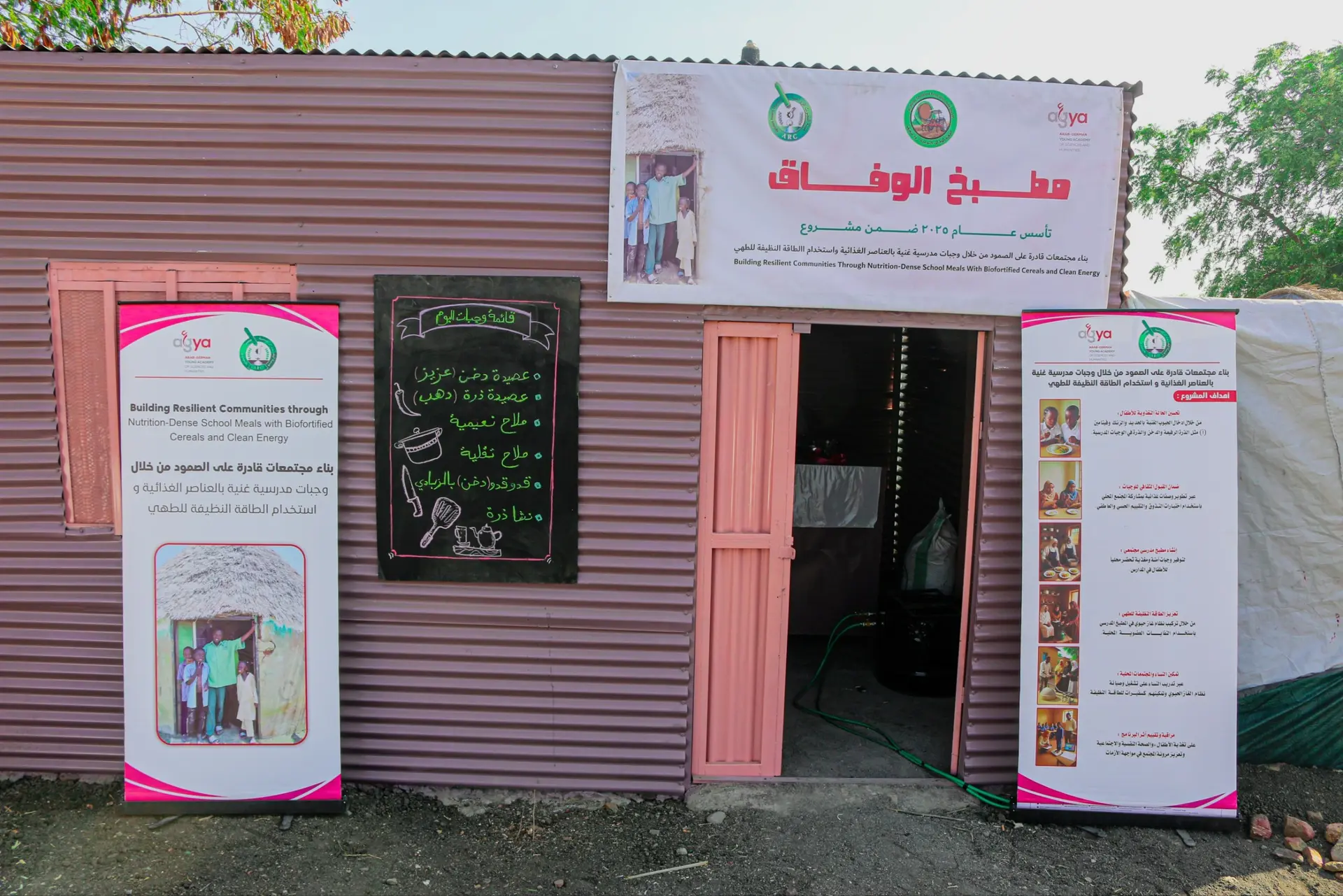
The school kitchen in Wad Dayyef, Al-Gadarif, is now operating, and the first nutritious meals have been prepared and served to children using biofortified ingredients and clean cooking solutions. That is a big achivement in this time of crisis.
Manhal Gobara, Project Assistant
Tilal Abdelhalim and Sascha Hein extend their gratitude to the project assistants, Ms. Manhal Gobara and Ms. Wiebke Streckenbach, who play a crucial role in fieldwork, experimental setup, data collection, and community mobilization. The project partners sincerely thank the community members who are involved in the project activities.
- Disciplines Involved
- Agricultural Science, Energy Engineering, Education, Food Science
- Cooperation Partner
- Biotechnology and Biosafety Research Centre, Agricultural Research Corporation (ARC), Sudan
- Related Research Projects
- Biofortification of Sorghum's Wild Relatives
- Ensuring Food Security in Conflict Regions
- Enhancing Local Food Systems by Women-Managed Home Gardens
- Reviving Sudan’s Grains: Nourishing Future Generations
- Project Title
- Building Resilient Communities through Nutrition-Dense School Meals with Biofortified Cereals and Clean Energy in Sudan
- Year
- 2025
- Funding Scheme
- Tandem Project
- Countries Involved
- Sudan, Germany