Research Mobility Project
Empowering Women Entrepreneurs: Legal Frameworks and Economic Growth
Workshop
As part of AGYA’s Research Mobility Program (RMP), Abdulsatar Sultan conducted a research stay at the University of Tunis El Manar, Tunisia, to explore how legal frameworks shape women’s entrepreneurial ventures in Tunisia, Iraq, and Germany. His project adopts a comparative and interdisciplinary perspective to examine how law, culture, and social norms intersect to influence women’s economic participation across different contexts.
What is your research project about and why did you choose Tunisia, Iraq, and Germany for this comparison?
Abdulsatar Sultan: My project examines how legal frameworks affect the economic growth of women’s entrepreneurial ventures in Tunisia and Iraq, with Germany serving as a comparative reference point. While women entrepreneurs exist in all three countries, they operate in very different legal, cultural, and institutional environments. The project aims to understand how these differences shape women’s access to resources, networks, and business opportunities, and how legal reforms can either enable or constrain women’s entrepreneurship.
Each country represents a distinct legal and societal context. Tunisia has made significant legal progress in promoting gender equality, yet women – especially in rural areas – continue to face social and cultural barriers. Iraq presents a far more restrictive environment, where bureaucratic hurdles, limited access to finance, and societal norms significantly limit women’s entrepreneurial potential. Germany, by contrast, offers a generally supportive legal framework, but women entrepreneurs still face challenges related to care responsibilities and insufficient childcare infrastructure.
‘Comparing different country cases allows me to identify best practices and structural gaps, and to reflect on how different legal systems address – or fail to address – women’s entrepreneurial needs.’
How did you approach your research methodologically?
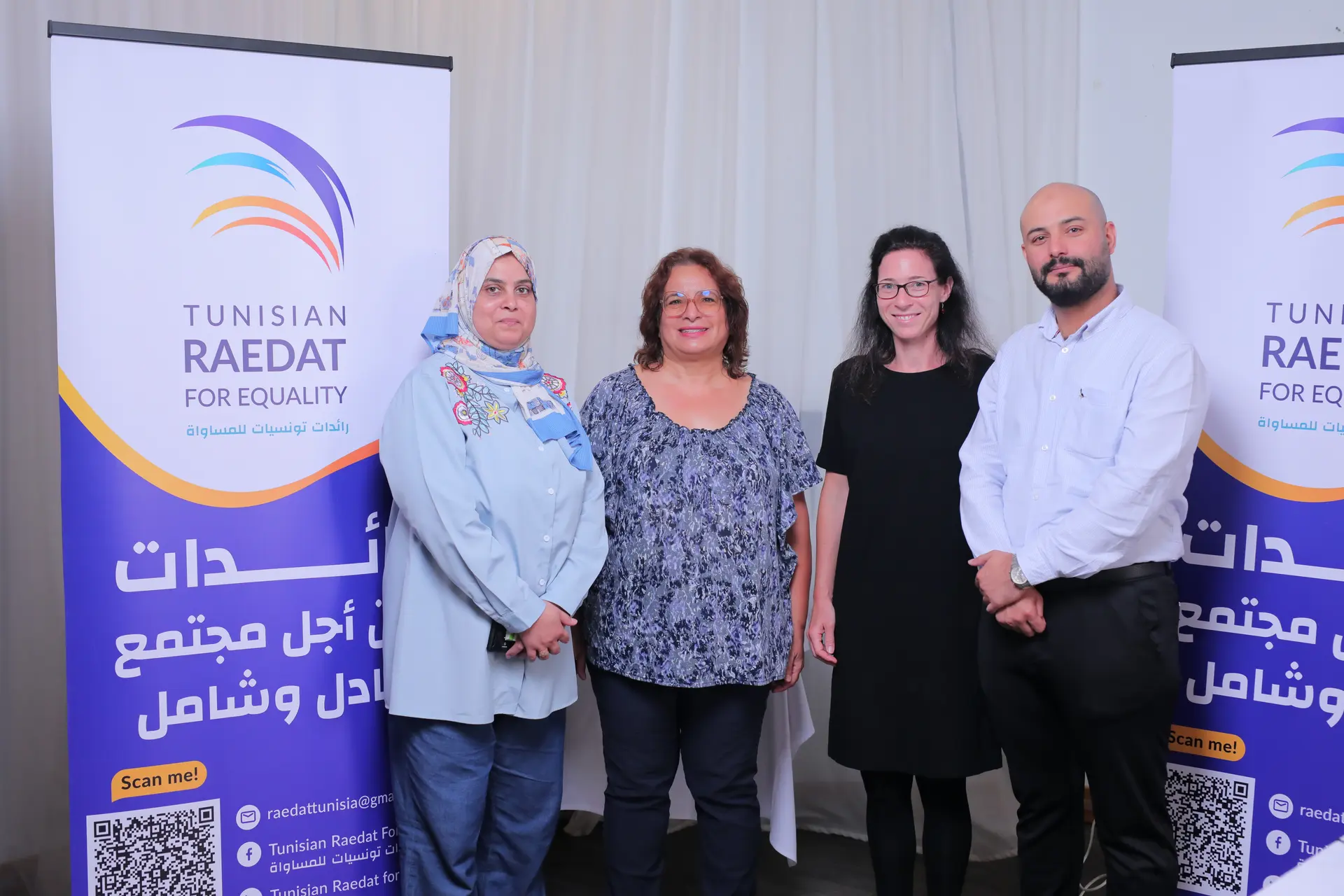
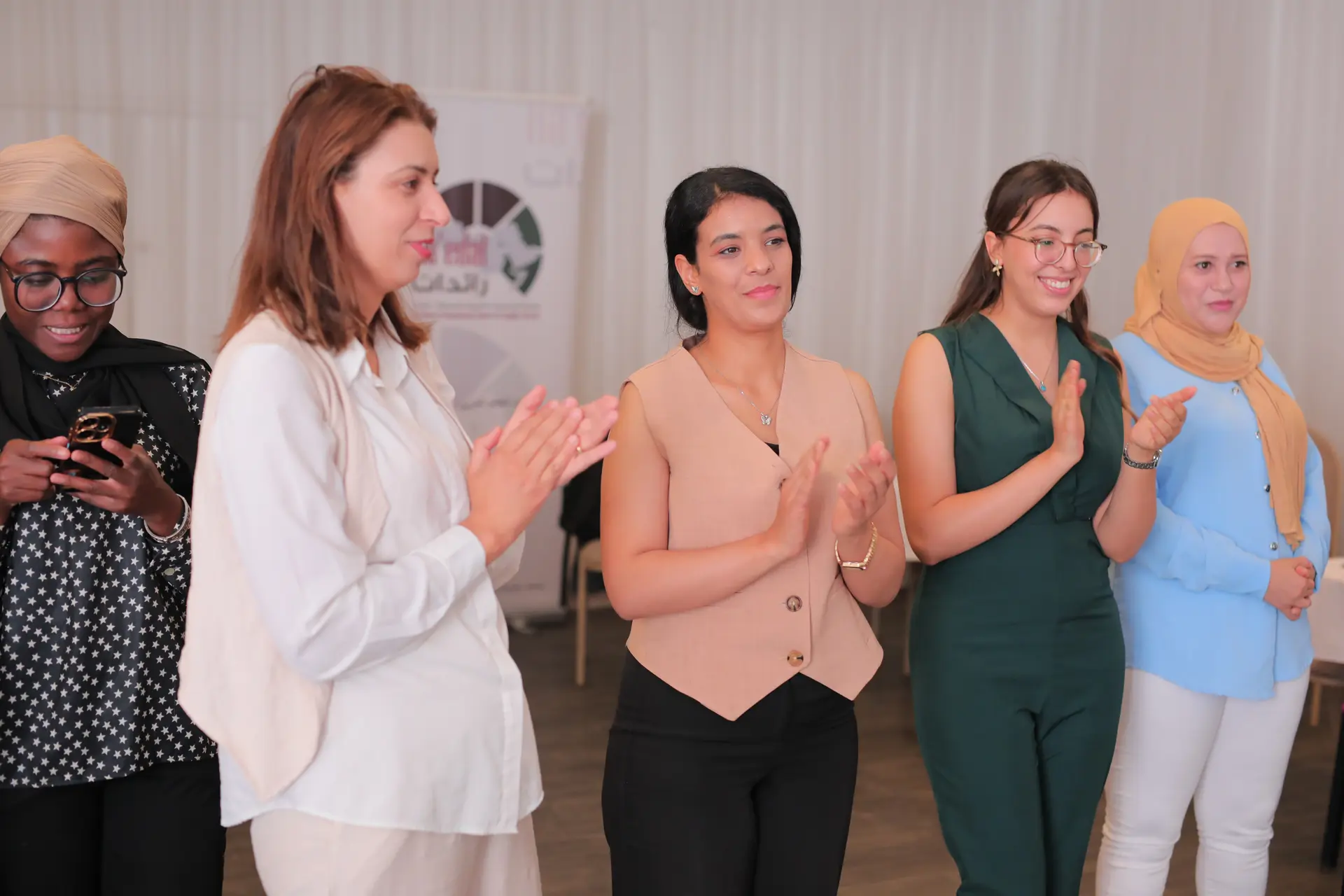
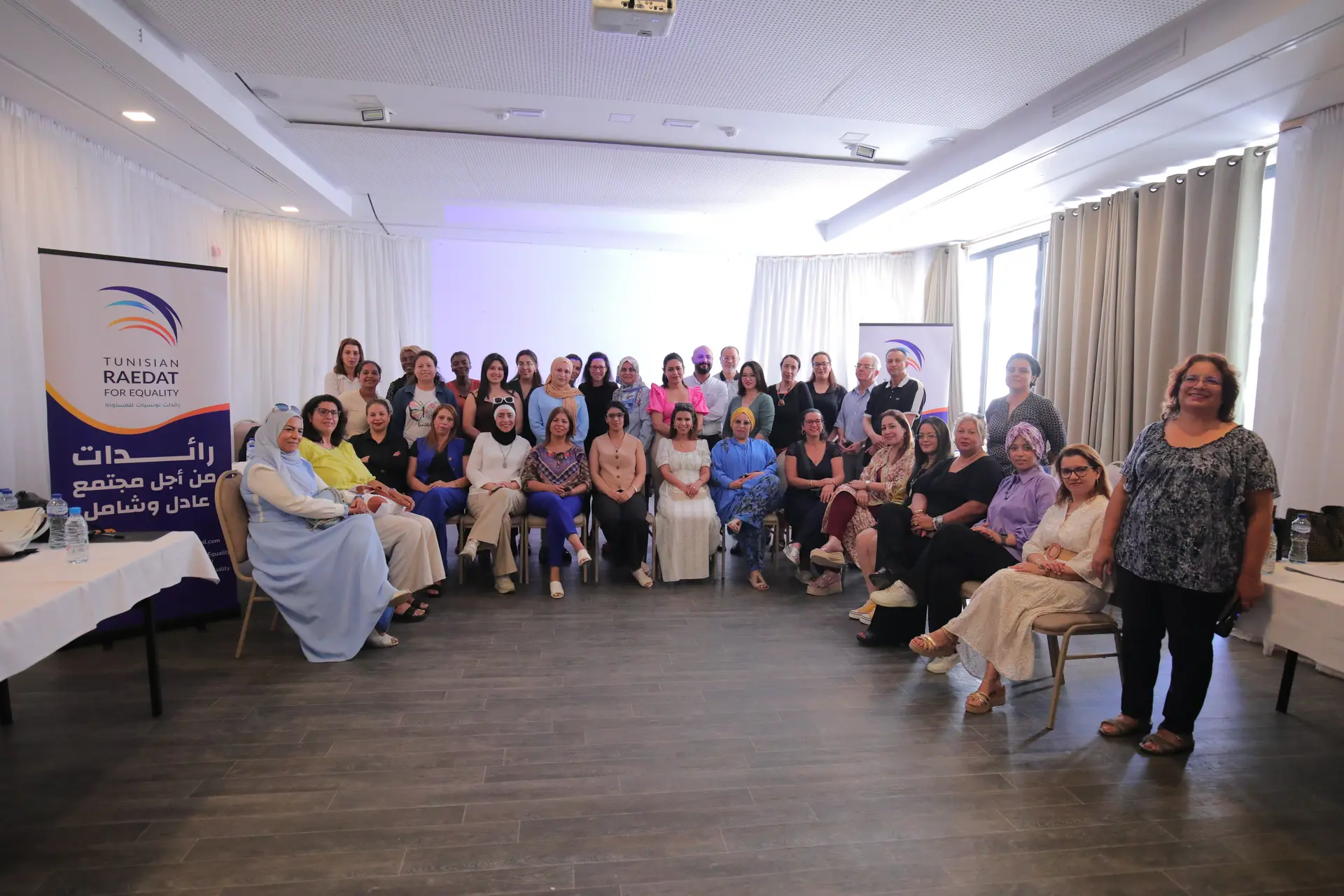
Abdulsatar Sultan: The project follows an interdisciplinary approach that combines legal analysis with perspectives from sociology, business studies, and gender research. I collected data through interviews with female entrepreneurs in rural and urban areas, expert discussions, and field visits. A central element of the project was a workshop in Tunis, which brought together researchers, practitioners, and entrepreneurs to discuss lived experiences and comparative insights from Tunisia, Iraq, and Germany.
What role do social and cultural norms play in women’s entrepreneurship?
Abdulsatar Sultan: Legal frameworks alone do not determine women’s entrepreneurial opportunities. Social expectations, family responsibilities, and cultural norms also play a crucial role in shaping women’s decisions and freedom to run businesses. In many cases, women face pressure to prioritise caregiving roles or fear family interference in their entrepreneurial activities. Understanding how these societal factors interact with legal structures is essential for designing effective and inclusive policies.
Why is this research relevant beyond academia?
Abdulsatar Sultan: By highlighting how legal systems and social norms shape women’s entrepreneurial experiences, this project offers actionable insights for policymakers, development practitioners, and civil society actors. It also strengthens knowledge exchange between the Arab world and Germany, contributing to a more nuanced and comparative understanding of gender, law, and economic participation.
‘Women’s entrepreneurship is a key driver of inclusive and sustainable economic development.’
Did participating in the Research Mobility Program help you to broaden your network in Tunisia and beyond?
Abdulsatar Sultan: Absolutely. The RMP provided an excellent platform for exchange and collaboration. Through my host institution and local partners in Tunis, I was able to connect with local experts, policymakers, and women entrepreneurs. These interactions enriched my research and helped me situate my findings within broader regional and international debates on women’s entrepreneurship and gender equality.
- Disciplines Involved
- Business Management
- Hosting Institution
- University of Tunis El Manar, Higher Institute of Human Sciences of Tunis, Tunis, Tunisia
- Duration
- 2 months
- Project Title
- The Impact of Legal Frameworks on the Economic Growth of Women's Entrepreneurial Ventures: A Comparative Study of Tunisia, Iraq, and Germany
- Year
- 2025
- Funding Scheme
- Research Mobility Project
- Countries Involved
- Tunisia, Iraq